Dejima Audio Guide

Audio guide for Dejima

Dejima
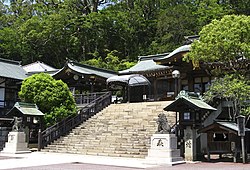
Photo by 663highlandWikimedia CommonsCC BY 2.5

7 min of listening · Section 1 of 5: Welcome to Dejima

Prefer reading? The full guide is below

Here in person? Walk on with Mappu

This audio guide tells one place’s story. Walk Mode keeps going as you walk:

  • It knows where you are and talks about what’s in front of you, not only these chapters.
  • It takes you on to the next sight and follows what interests you.
  • Ask about anything you see, and it answers on the spot.
  • Your phone stays in your pocket.

A 2-hour live walk with Mappu, €4.99.

50 credits from the Starter pack. One-time purchase, no subscription.

Self-guided audio walk. No guide accompanies you. Not affiliated with the sites.

Keep exploring

Discover more places in Mappu.

Dejima • Section 1 of 5

Dejima: is there a free audio guide?

Quick answer. Yes. Mappu’s Dejima audio guide (Nagasaki, Japan) is free in your browser: 5 sections and about 7 minutes of listening, in 8 languages. It covers “An Island Built for Trade at Dejima”, “The World Before Dejima's Isolation” and “What Passed Through Dejima: Medicine, Art and Flavor”. In the Mappu app, Walk Mode narrates the places around you as you move and answers your follow-up questions.

Dejima map

Mappu's own map of the place, with the paths and entrances OpenStreetMap shows around it.

Dejima mapThe place on the map, with the guide's point marked.

Dejima: what does the audio guide cover?

  1. 01

    Welcome to Dejima

    Welcome to Dejima, written 出島 in Japanese, a small artificial island in the port city of Nagasaki, on the western side of Kyushu. A quick word on how this guide works: the story of Dejima is well documented in its broad outlines, so I will focus on its role in Nagasaki and in Japan's long period of isolation. I will leave out fine details about individual buildings, exhibits and opening arrangements. Here is the big idea to carry with you. For roughly two centuries, while Japan kept its doors largely shut, Nagasaki stayed open to the world in a limited, carefully controlled way. Dutch and Chinese traders were allowed in, and Dejima was the segregated trading post at the heart of that arrangement. Today the island is meticulously reconstructed, which makes it a window into that unusual age. As you walk, think of Dejima less as a single sight and more as a doorway. Through it came goods, ideas, medicine, food and art. A great deal of what makes Nagasaki feel so different from other Japanese cities traces back to what passed through this narrow gate.

  2. 02

    An Island Built for Trade at Dejima

    Picture Japan in the seventeenth century. The period of national isolation, known as Sakoku, ran from 1641 to 1854. In those years Nagasaki was the one port open to limited foreign trade, and it was the only place in Japan with direct contact with European nations. The trading partners allowed in were the Dutch and the Chinese. Dejima is the symbol of that arrangement. It was a segregated trading post on an artificial island, built so that foreign traders could be kept apart from everyday Japanese life while still doing business. Nagasaki's Chinese residents had their own quarter, which began as a compound known as Tojin Yashiki. Between them, these two enclaves became the city's two windows on the outside world. The Dutch trading post on Dejima is counted among Nagasaki's celebrated firsts, listed alongside Japan's first Chinese temple and its first stone arch bridge. What I find striking is the paradox. Dejima was a place of separation, yet it became one of the most important points of contact in the whole country.

  3. 03

    The World Before Dejima's Isolation

    Nagasaki's openness did not begin with the Dutch. Before the age of isolation, the city grew from a little harbor village into a diverse port, thanks to Portuguese traders. Portuguese goods flowed in, including tobacco, bread, textiles and a sponge cake called castella, and they were absorbed into popular Japanese culture. Castella is still Nagasaki's most famous souvenir. Christianity arrived with the traders. Many churches were built, and Christian culture flourished so strongly that Nagasaki earned the nickname Little Rome. Then, in 1587, the powerful daimyo Hideyoshi Toyotomi, afraid that Japan might be conquered, issued an edict expelling missionaries. That tension between welcoming the world and guarding against it runs through the whole story. It helps explain why the later arrangement was so tightly managed, with only certain partners admitted, in a certain place, under certain rules. When you stand on Dejima, you are standing inside the answer Japan eventually settled on.

  4. 04

    What Passed Through Dejima: Medicine, Art and Flavor

    Dejima mattered for far more than cargo. The Dutch settlement on the port's artificial island was an important route for European medicine and cultural exchange, and the Nagasaki Museum of History and Culture gives particular emphasis to Dutch materials for exactly that reason. The mixing of cultures left its mark on art, too. A distinctive Nagasaki School of art developed, blending Japanese, European and Chinese influences. Local crafts such as inlaid mother-of-pearl, tortoiseshell work and embroidery belong to the same story. Then there is the table. Locals call the blending of cultures here Wakaran culture, and you can taste it in shippoku cuisine, a communal banquet style that combines the presentation of Chinese banquet dishes with European soups and Japanese ingredients and techniques. Even the buildings join in. Nagasaki's historic Western-style houses are based on European architecture yet use Japanese touches such as shikkui plaster walls and kawara roof tiles. Dejima sits at the center of all this, and its influence still shapes the city's streets, kitchens and festivals.

  5. 05

    Before You Head Off from Dejima

    As you leave Dejima, keep looking for the island's echoes across Nagasaki. The reconstructed island puts you close to other key historical sites, and each adds a different piece to the puzzle. The Nagasaki Museum of History and Culture traces the city's cultural exchange through the era of isolation. The Museum of the 26 Martyrs tells the story of early Christianity in Japan. Hollander Slope and Shinchi Chinatown carry the Dutch and Chinese threads into the streets of today. Try noticing the small blends as you go: a Western-style roofline with Japanese tiles, a banquet table where three cuisines meet, a slice of castella in a shop window. Each one is a small souvenir of the same long conversation between Nagasaki and the world. Which thread will you follow next: the medicine, the art, the food, or the faith? Any of them will lead you back to this small island, and each time it seems to have another story to tell.

About this guide

AI-generated from 6 sources; checked automatically and last updated on October 31, 2026. Verify tickets and opening hours on the official site. Independent guide by Mappu. Not affiliated with or endorsed by the site or its managers.

Run a travel site or blog? Embed this audio guide for free.

Walk on from here

This place is stop 3 of 7 of a self-guided walk: Glover Garden to Suwa Shrine, Nagasaki. About 5.2 km and 70 minutes on foot, plus about 43 minutes of listening.

Route map: walking on from Dejima7 numbered stops in walking order. Stop 1: Glover Garden; Stop 2: Ōura Church; Stop 3: Dejima; Stop 4: Nagasaki Shinchi Chinatown; Stop 5: Sōfuku-ji Temple; Stop 6: Megane Bridge; Stop 7: Suwa Shrine.Stop 1: Glover Garden1Stop 2: Ōura Church2Stop 3: Dejima3Stop 4: Nagasaki Shinchi Chinatown4Stop 5: Sōfuku-ji Temple5Stop 6: Megane Bridge6Stop 7: Suwa Shrine7
Distances are estimates along the walking route, from OpenStreetMap.

Indicative route. While you walk, watch where you're going, mind the traffic and follow local signs and rules. The map is an aid, not a safety guide. Terms

  1. Glover Garden

    about 0.2 km · about 3 min on foot

  2. Ōura Church

    about 1.4 km · about 19 min on foot

  3. DejimaThis guide

    about 0.4 km · about 6 min on foot

  4. Nagasaki Shinchi Chinatown

    about 1.1 km · about 14 min on foot

  5. Sōfuku-ji Temple

    about 1.0 km · about 13 min on foot

  6. Megane Bridge

    about 1.1 km · about 15 min on foot

  7. Suwa Shrine
Photo attribution

Walk Mode, in the free Mappu app: 2 hours for 50 credits (€4.99 Starter pack)

See the whole walk

Planning a trip to Nagasaki?

Get your plan

Mappu sketches your days free in the chat, no account needed. Then take the full plan with you:

  • Weekend trip, €9.99: Your day-by-day plan plus 2 live walks
  • Save your trip’s free guides on your phone in the Mappu app: they play with no signal
See the trip packs

Already going? The 2-hour live walk in Nagasaki is €4.99

Plan your trip on a map and get an audio guide for almost any place nearby: just tap it on the Mappu map.

Common questions

Dejima: how long is the free audio guide?

About 7 minutes of listening in 5 sections: “Welcome to Dejima”, “An Island Built for Trade at Dejima”, “The World Before Dejima's Isolation”, “What Passed Through Dejima: Medicine, Art and Flavor”, and “Before You Head Off from Dejima”.

Dejima: what can I ask Mappu after the guide?

You can ask follow-up questions such as “Why was Nagasaki the one port that stayed open during Japan's period of isolation, and who was allowed to trade there?” and keep asking in Mappu, with the guide connected to your map and trip plan.