Glover Garden Audio Guide

Audio guide for Glover Garden

Glover Garden
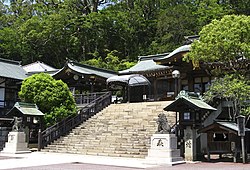
Photo by Fg2Wikimedia CommonsPublic domain

6 min of listening · Section 1 of 5: Welcome to Glover Garden

Prefer reading? The full guide is below

Here in person? Walk on with Mappu

This audio guide tells one place’s story. Walk Mode keeps going as you walk:

  • It knows where you are and talks about what’s in front of you, not only these chapters.
  • It takes you on to the next sight and follows what interests you.
  • Ask about anything you see, and it answers on the spot.
  • Your phone stays in your pocket.

A 2-hour live walk with Mappu, €4.99.

50 credits from the Starter pack. One-time purchase, no subscription.

Self-guided audio walk. No guide accompanies you. Not affiliated with the sites.

Keep exploring

Discover more places in Mappu.

Glover Garden • Section 1 of 5

Glover Garden: is there a free audio guide?

Quick answer. Yes. Mappu’s Glover Garden audio guide (Nagasaki, Japan) is free in your browser: 5 sections and about 6 minutes of listening, in 8 languages. It covers “A Hillside Above the Foreign Settlement at Glover Garden”, “Three Mansions and One Carpenter at Glover Garden” and “How Glover Garden Became a Garden”. In the Mappu app, Walk Mode narrates the places around you as you move and answers your follow-up questions.

Glover Garden map

Mappu's own map of the place, with the paths and entrances OpenStreetMap shows around it.

Glover Garden mapThe place on the map, with the guide's point marked.

Glover Garden: what does the audio guide cover?

  1. 01

    Welcome to Glover Garden

    Welcome to Glover Garden, known in Japanese as グラバー園. It sits on the Minamiyamate hillside in Nagasaki, looking out over the harbor. From up here you can see Nagasaki Port and its shipbuilding facilities spread below, which is fitting, because the man who gave this garden its name helped build the industries you are looking at. That man was Thomas Blake Glover, a Scottish merchant who contributed to Japan's modernization in shipbuilding, coal mining and other fields. The garden was created in his honor. At its heart stands his residence, the oldest surviving Western-style house in Japan. Glover Garden is an open-air collection of grand houses and the stories of the people who lived in them. Hundreds of thousands of visitors come each year. Over the next few minutes, I will walk you through the hillside's history, the houses and their builder, and some of the legends that cling to the place.

  2. 02

    A Hillside Above the Foreign Settlement at Glover Garden

    To understand why this hill matters, go back to 1858. In that year the shogunate was forced to open the country by signing treaties with five Western powers. Nagasaki became an open port, and a new foreign settlement was laid out along the coast to the south of Dejima. The hills above that settlement became home to many of its leading figures. Thomas Glover arrived in Japan in 1859, and he lived from 1838 to 1911. He threw himself into the rapidly modernizing country and found great success. He showed his mettle in joint projects with major domains in the last days of the shogunate, and later with the Meiji government, introducing many kinds of Western technology. One of these projects was the Takashima Mine, built with British engineers on an island off Nagasaki in 1868. So when you stand on this slope and look down at the harbor, you are looking at the stage where a new industrial Japan took shape. Nagasaki was the country's main point of contact with the outside world as it moved from isolation to modernization. The district was not only European, either. A large Chinese community lived in Oura too, and built the Nagasaki Confucian Shrine in the middle of the neighborhood.

  3. 03

    Three Mansions and One Carpenter at Glover Garden

    The garden's core is three original mansions: the Former Glover House, the Former Ringer House and the Former Alt House. All three were designated Important Cultural Properties, Glover's in 1961, Ringer's in 1966 and Alt's in 1972. And all three share a builder. Koyama Hidenoshin, a carpenter from Amakusa island, was the main craftsman behind them, and he was a pioneer of Western-style architecture in Japan. The Glover Residence was completed in 1863. It is the oldest surviving Western-style wooden building in Japan. Look for the British touches, such as chimneys, fireplaces and arched doors. Then notice how they sit alongside Japanese roof tiles and earthen walls. It is a house where two building traditions shook hands. The Ringer House dates from 1865 and was built for Frederick Ringer, a British merchant in the tea trade. Its foundation stones were brought from Vladivostok. Inside you may spot cutlery from the Nagasaki Hotel, which Ringer hoped to make one of the finest hotels in the East. The Alt House belonged to another British merchant, William John Alt, and its veranda is lined with Tuscan columns.

  4. 04

    How Glover Garden Became a Garden

    Glover Garden: Keep an eye out for the small clashes and blends of East and West.

    Here is a twist: the garden as you see it was assembled. It opened on September 4, 1974, as a showcase of Meiji-era buildings that had belonged to some of Nagasaki's most influential people and institutions. Around the three original mansions, the city relocated other Western-style buildings from different parts of Nagasaki, each showing a different side of foreign influence on Japanese life. One relocated piece is a small stone gate. It once belonged to the Nagasaki Masonic Lodge, which was inaugurated at number fifty Oura on October 5, 1885. Its founding members were all British, but over the following years men of many nationalities and religions joined its meetings and social events. The lodge moved to number 47 Oura in June 1887, and it eventually disbanded in the early Showa period for lack of members. The gate survives here. Then there is the legend. Glover Garden has become tied to Puccini's opera Madame Butterfly, and you will hear the connection mentioned often. It is a romantic legend rather than documented history, but it shows how readily this hillside invites stories.

  5. 05

    Before You Head Off from Glover Garden

    As you wander on, try holding two views at once. One is the harbor below, with its shipbuilding facilities. The other is the hillside around you, where merchants once planned the industries that shaped it. The two are more closely connected than they first appear. Keep an eye out for the small clashes and blends of East and West. Look at a chimney beside a tiled roof, a Tuscan column on a Japanese-built veranda, or a stone gate that outlived the club it guarded. Each one is a clue to how these worlds met in Nagasaki. And if you are curious where the story goes next, follow the harbor. It leads from Dejima and the old foreign settlement to the shipyards and mines that Glover and his contemporaries helped to launch.

About this guide

AI-generated from 6 sources; checked automatically and last updated on October 31, 2026. Verify tickets and opening hours on the official site. Independent guide by Mappu. Not affiliated with or endorsed by the site or its managers.

Run a travel site or blog? Embed this audio guide for free.

Walk on from here

This place is stop 1 of 7 of a self-guided walk: Glover Garden to Suwa Shrine, Nagasaki. About 5.2 km and 70 minutes on foot, plus about 43 minutes of listening.

Route map: walking on from Glover Garden7 numbered stops in walking order. Stop 1: Glover Garden; Stop 2: Ōura Church; Stop 3: Dejima; Stop 4: Nagasaki Shinchi Chinatown; Stop 5: Sōfuku-ji Temple; Stop 6: Megane Bridge; Stop 7: Suwa Shrine.Stop 1: Glover Garden1Stop 2: Ōura Church2Stop 3: Dejima3Stop 4: Nagasaki Shinchi Chinatown4Stop 5: Sōfuku-ji Temple5Stop 6: Megane Bridge6Stop 7: Suwa Shrine7
Distances are estimates along the walking route, from OpenStreetMap.

Indicative route. While you walk, watch where you're going, mind the traffic and follow local signs and rules. The map is an aid, not a safety guide. Terms

  1. Glover GardenThis guide

    about 0.2 km · about 3 min on foot

  2. Ōura Church

    about 1.4 km · about 19 min on foot

  3. Dejima

    about 0.4 km · about 6 min on foot

  4. Nagasaki Shinchi Chinatown

    about 1.1 km · about 14 min on foot

  5. Sōfuku-ji Temple

    about 1.0 km · about 13 min on foot

  6. Megane Bridge

    about 1.1 km · about 15 min on foot

  7. Suwa Shrine
Photo attribution

Walk Mode, in the free Mappu app: 2 hours for 50 credits (€4.99 Starter pack)

See the whole walk

Planning a trip to Nagasaki?

Get your plan

Mappu sketches your days free in the chat, no account needed. Then take the full plan with you:

  • Weekend trip, €9.99: Your day-by-day plan plus 2 live walks
  • Save your trip’s free guides on your phone in the Mappu app: they play with no signal
See the trip packs

Already going? The 2-hour live walk in Nagasaki is €4.99

Plan your trip on a map and get an audio guide for almost any place nearby: just tap it on the Mappu map.

Common questions

Glover Garden: how long is the free audio guide?

About 6 minutes of listening in 5 sections: “Welcome to Glover Garden”, “A Hillside Above the Foreign Settlement at Glover Garden”, “Three Mansions and One Carpenter at Glover Garden”, “How Glover Garden Became a Garden”, and “Before You Head Off from Glover Garden”.

Glover Garden: what can I ask Mappu after the guide?

You can ask follow-up questions such as “What role did Thomas Glover play in bringing Western technology to Japan, beyond the Takashima Mine?” and keep asking in Mappu, with the guide connected to your map and trip plan.