Ōhori Park Audio Guide

A park around a pond in central Fukuoka, once a castle moat

Ōhori Park
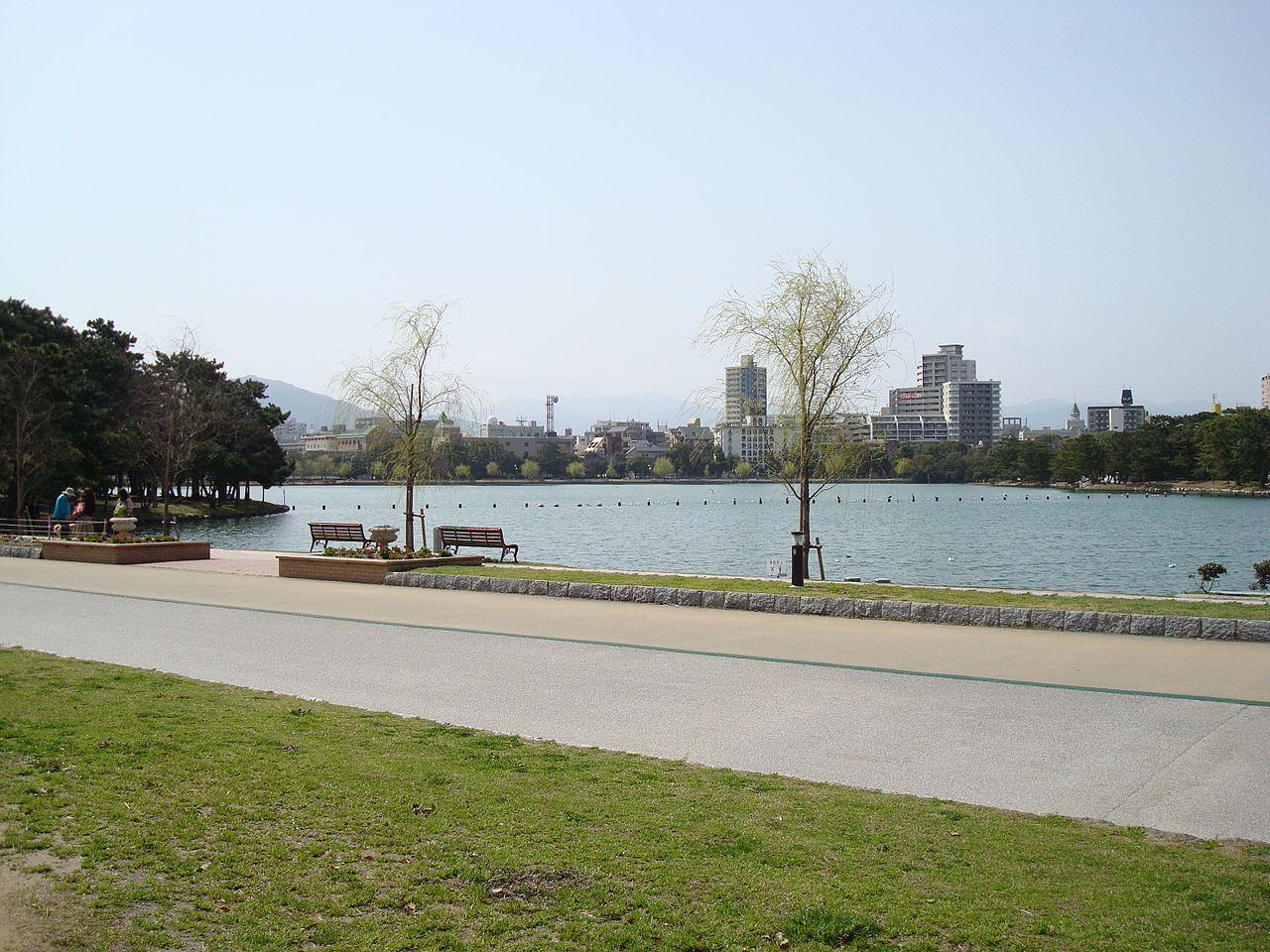
Photo by Tzuhsun Hsu from Taipei, TaiwanWikimedia CommonsCC BY-SA 2.0

6 min of listening · Section 1 of 5: Welcome to Ōhori Park

Prefer reading? The full guide is below

Here in person? Walk on with Mappu

This audio guide tells one place’s story. Walk Mode keeps going as you walk:

  • It knows where you are and talks about what’s in front of you, not only these chapters.
  • It takes you on to the next sight and follows what interests you.
  • Ask about anything you see, and it answers on the spot.
  • Your phone stays in your pocket.

A 2-hour live walk with Mappu, €4.99.

50 credits from the Starter pack. One-time purchase, no subscription.

Self-guided audio walk. No guide accompanies you. Not affiliated with the sites.

Keep exploring

Discover more places in Mappu.

Ōhori Park • Section 1 of 5

Ōhori Park: is there a free audio guide?

Quick answer. Yes. Mappu’s Ōhori Park audio guide (Fukuoka, Japan) is free in your browser: 5 sections and about 6 minutes of listening, in 8 languages. It covers “From Bay Inlet to Castle Moat at Ōhori Park”, “Islands, Bridges and Pines at Ōhori Park” and “Garden, Noh Stage and Art Beside Ōhori Park”. In the Mappu app, Walk Mode narrates the places around you as you move and answers your follow-up questions.

Ōhori Park map

Mappu's own map of the place, with the paths and entrances OpenStreetMap shows around it.

Ōhori Park mapThe place on the map, with the guide's point marked.

Ōhori Park: what does the audio guide cover?

  1. 01

    Welcome to Ōhori Park

    Welcome to Ōhori Park, known in Japanese as 大濠公園, in the Chuo Ward at the heart of Fukuoka City. The first thing to know is that this is a park built around water. A large oval pond fills most of its roughly 400,000 square meters, so wherever you stand, the horizon is a shimmer of lake with trees and city framing it. This is a prefectural park, run by Fukuoka Prefecture, and it is a nationally registered monument. That recognition says a lot about how special this landscape is. It sits just west of Maizuru Park, where the ruins of Fukuoka Castle lie. The two parks are neighbors, and as you will hear, they are also part of one shared story. Over the next few minutes we will look at how a piece of sea became a pond, how a garden of islands and bridges was shaped around it, and what cultural treasures sit on its shores. Take your time, find a spot by the water, and let's begin.

  2. 02

    From Bay Inlet to Castle Moat at Ōhori Park

    Look at the pond and imagine it as the sea. The land here was originally an inlet of Hakata Bay. In ancient times, the area around today's park was known as Kusagae, a reminder that the shoreline once reached much farther inland than it does now. Then, in the early 1600s, Kuroda Nagamasa built Fukuoka Castle just next door, and the inlet found a new job. It became the castle's outer moat. That is why the water feels so broad and generous: it was part of a fortress's defenses long before anyone thought of picnics or boat rides. The transformation into a park came in the twentieth century. The East Asia Industrial Exposition was held on this site in 1927, and landscaping work began after it. In 1929 the grounds opened as a prefectural park, and Ōhori Park has been one of the nation's leading water-scenery parks ever since. So when you walk the shore, you are walking along a former castle moat that was reshaped into a public landscape.

  3. 03

    Islands, Bridges and Pines at Ōhori Park

    The water scenery of Ōhori Park is symbolized by three islands in the pond and four bridges leading to them. Three of those bridges date from the time the park opened, and they are Registered Cultural Properties of Fukuoka City. Cross one slowly and you are using a piece of the park's original design. The islands carry pine trees that also go back to the park's opening, so the silhouettes you see against the sky have been part of this view for generations. It is a quiet way of touching history: no plaque needed, just trees and water. The pond is also made for walking. A path of roughly 2 kilometers circles it, which is why you will see joggers and strollers at every hour. There is also a wild bird forest, and flowers and scenery change with the seasons. The park also has rental boats, so you can see the islands from the water as well as from the shore.

  4. 04

    Garden, Noh Stage and Art Beside Ōhori Park

    Ōhori Park has a traditional Japanese garden within it. Fukuoka Prefecture opened it in 1984 to pass Japan's traditional culture on to future generations. Its central pond has artificial hills and forests made with traditional methods to express ancient Japanese aesthetics. Paths lead past a pond fed by waterfalls, a winding stream modeled on the water gardens of the ancient imperial court, a dry landscape garden that borrows the view of the park's big pond, and a tea house in the sukiya style. Culture also lives in the buildings around the water. The Ōhori Park Noh Theater was built in 1986 and has 590 seats. It stages Noh and Kyogen, offers introductory courses and workshops, and also hosts shamisen concerts, comedy and chanson. There is also a pavilion that was moved here from Higashi Park in 1949. On the south side stands the Fukuoka Art Museum, opened in 1979 and one of the largest art museums in Western Japan. You can find masters such as Dalí, Miró and Chagall there, along with Kyushu artists, tea ceremony implements and Buddhist art. The collection also holds artworks from the Kuroda family, the former lords of the Fukuoka Domain, including Important Cultural Properties. The family that built the castle by this moat is still part of the neighborhood's story.

  5. 05

    Before You Head Off from Ōhori Park

    Getting here and leaving is simple. Before you go, try one last thing: look across the pond and picture it as a bay inlet, then as a castle moat, then as the exposition grounds of 1927. Each of those lives is still under the surface of what you see. And if you have time, there is more to wander through. You might circle the pond on the path, cross the bridges to the islands, or step into the garden's winding stream and dry landscape. The park rewards a second lap in a different light.

About this guide

AI-generated from 6 sources; reviewed for accuracy and last updated on October 31, 2026. Verify tickets and opening hours on the official site. Independent guide by Mappu. Not affiliated with or endorsed by the site or its managers.

Run a travel site or blog? Embed this audio guide for free.

Walk on from here

This place is stop 2 of 3 of a self-guided walk: Ohori Park to Fukuoka Castle. About 2.4 km and 30 minutes on foot, plus about 18 minutes of listening.

Route map: walking on from Ōhori Park3 numbered stops in walking order. Stop 1: Fukuoka Art Museum; Stop 2: Ōhori Park; Stop 3: Fukuoka Castle.Stop 1: Fukuoka Art Museum1Stop 2: Ōhori Park2Stop 3: Fukuoka Castle3
Distances are estimates along the walking route, from OpenStreetMap.

Indicative route. While you walk, watch where you're going, mind the traffic and follow local signs and rules. The map is an aid, not a safety guide. Terms

  1. Fukuoka Art Museum

    about 0.9 km · about 12 min on foot

  2. Ōhori ParkThis guide

    about 1.5 km · about 20 min on foot

  3. Fukuoka Castle
Photo attribution

Walk Mode, in the free Mappu app: 2 hours for 50 credits (€4.99 Starter pack)

See the whole walk

Planning a trip to Fukuoka?

Get your plan

Mappu sketches your days free in the chat, no account needed. Then take the full plan with you:

  • Weekend trip, €9.99: Your day-by-day plan plus 2 live walks
  • Save your trip’s free guides on your phone in the Mappu app: they play with no signal
See the trip packs

Already going? The 2-hour live walk in Fukuoka is €4.99

Plan your trip on a map and get an audio guide for almost any place nearby: just tap it on the Mappu map.

Common questions

Ōhori Park: how long is the free audio guide?

About 6 minutes of listening in 5 sections: “Welcome to Ōhori Park”, “From Bay Inlet to Castle Moat at Ōhori Park”, “Islands, Bridges and Pines at Ōhori Park”, “Garden, Noh Stage and Art Beside Ōhori Park”, and “Before You Head Off from Ōhori Park”.

Ōhori Park: what can I ask Mappu after the guide?

You can ask follow-up questions such as “How did an inlet of Hakata Bay become the outer moat of Fukuoka Castle, and then a public park?” and keep asking in Mappu, with the guide connected to your map and trip plan.