


Nakasu: how long is the free audio guide?
About 5 minutes of listening in 5 sections: “Welcome to Nakasu”, “An Island Between Two Towns”, “Neon Reflections and the Deai Bridge”, “Yatai Stalls and Hakata Flavor”, and “Before You Head Off”.
Fukuoka's island of neon, rivers and street food

Quick answer. Yes. Mappu’s Nakasu audio guide (Fukuoka, Japan) is free in your browser: 5 sections and about 5 minutes of listening, in 8 languages. It covers “An Island Between Two Towns”, “Neon Reflections and the Deai Bridge” and “Yatai Stalls and Hakata Flavor”. In the Mappu app, Walk Mode narrates the places around you as you move and answers your follow-up questions.
Mappu's own map of the place, with the paths and entrances OpenStreetMap shows around it.
Welcome to Nakasu, the long, narrow island in the heart of Fukuoka. It sits on a sandbank between two rivers, the Naka River on one side and the Hakata River on the other. This guide tells the story of the island as a whole, a district rather than a single building, so you will hear about its rivers, bridges, food stalls and neighbors rather than one monument. Nakasu is Fukuoka's best-known entertainment quarter, and it is also commonly described as the city's red-light district. By day it is quiet and fairly ordinary. After dark the signs light up and the whole island changes character. Think of it as a stage set that only comes alive in the evening, with the water on both sides doubling every glow. Over the next few stops we will look at how the island sits between two old towns, what to notice on its bridges, where the street food culture comes from, and how a famous shrine and a modern shopping complex fit into the picture. Keep your eyes on the water as we go. It explains almost everything about this place.
To understand Nakasu, start with the map. The island lies between the Naka River and the Hakata River, and those rivers once marked a dividing line in the city. To the west stood Fukuoka, the castle town of the samurai. To the east lay Hakata, a town of merchants. Nakasu sat right between the two, which made it a natural meeting point for people from both sides. That convenient position helped turn the island into an entertainment center for both communities. Even the name carries a story. It echoes a popular but very short-lived entertainment quarter of Edo, today's Tokyo, which flourished in the late eighteenth century. Fukuoka's Nakasu has outlasted its namesake by a very wide margin. The island is also stitched to its surroundings by bridges. Today Nakasu has 18 bridges in total, 7 on the Chuo Ward side and 11 on the Hakata Ward side. As you walk, notice how often you cross water. The island was never meant to stand alone. It exists to connect.
If you want the classic Nakasu picture, head for the Fukuhaku Deai Bridge. From here you can look across the Naka River at the neon signs of the island. At night their colors spill onto the water and the whole riverfront seems to glow twice, once in the air and once below. The bridge's name is worth a moment. Fukuhaku joins the first part of Fukuoka with the second part of Hakata, the two old halves of the city, and deai means encounter or meeting. A bridge of meetings, placed exactly where the two towns once met. The bridge also has a playful local legend of its own. After the local baseball team, the Fukuoka SoftBank Hawks, won the championship, fans once dove from this bridge into the river to celebrate. It is a fine reminder that Nakasu is not only for quiet sightseeing. When Fukuoka celebrates, it tends to come here.
Along the Naka River, as evening falls, food stalls begin to line the street. These are the yatai, small mobile eateries that have become one of Fukuoka's signature experiences. Nakasu Yatai Street is known as a representative place where the city's postwar yatai culture lives on, a tradition that began in the chaotic years after World War Two. Part of the appeal is the atmosphere. Locals and travelers sit side by side at the counters, so a meal here feels like both a tourist outing and a slice of everyday city life. The stalls appear as the light fades, which means the street itself changes personality between afternoon and night, just like the island around it. A practical tip: the yatai are an evening pleasure, so plan your visit for after sunset. Pair a meal with a slow walk along the river and you will have seen Nakasu at its most characteristic.
Nakasu is easy to reach. The nearest subway station is Nakasu-Kawabata Station, on the Kuko Line, and many buses connecting Hakata and Tenjin pass through the area, though it is worth checking before you board because some do not stop here. Near the island, there is more to discover. Kushida Shrine, one of Fukuoka's most revered shrines, holds an ornate float about 13 meters tall, used in the annual Hakata Gion Yamakasa Festival. Right next to it is the entrance to Kawabata Street, a shopping arcade where you will find another of these Yamakasa floats. Its traditional shops contrast sharply with the hundreds of other shops in the center of Nakasu. To the southeast stands Canal City Hakata, a shopping complex that opened in 1996 and is often praised for its architecture. So before you go, ask yourself which Nakasu you want to see next, the glowing night island or the quiet, shrine-side one. Chances are you will want both.
AI-generated from 6 sources; checked automatically and last updated on October 31, 2026. Verify tickets and opening hours on the official site. Independent guide by Mappu. Not affiliated with or endorsed by the site or its managers.
This place is stop 1 of 4 of a self-guided walk: Nakasu to Shofuku-ji, Fukuoka. About 3.1 km and 40 minutes on foot, plus about 23 minutes of listening.
Indicative route. While you walk, watch where you're going, mind the traffic and follow local signs and rules. The map is an aid, not a safety guide. Terms

NakasuThis guide
about 1.1 km · about 15 min on foot
 Sumiyoshi Shrine
about 1.2 km · about 17 min on foot
 Kushida Shrine
about 0.7 km · about 10 min on foot
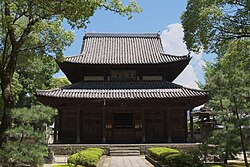 Shōfuku-ji Temple
Walk Mode, in the free Mappu app: 2 hours for 50 credits (€4.99 Starter pack)
Planning a trip to Fukuoka?
Mappu sketches your days free in the chat, no account needed. Then take the full plan with you:
 Kushida Shrine Fukuoka
 Tōchō Temple Fukuoka
 Shōfuku-ji Temple Fukuoka
 Sumiyoshi Shrine Fukuoka
 Fukuoka Castle Fukuoka
 Fukuoka Art Museum Fukuoka
Plan your trip on a map and get an audio guide for almost any place nearby: just tap it on the Mappu map.
About 5 minutes of listening in 5 sections: “Welcome to Nakasu”, “An Island Between Two Towns”, “Neon Reflections and the Deai Bridge”, “Yatai Stalls and Hakata Flavor”, and “Before You Head Off”.
You can ask follow-up questions such as “How did Nakasu's position between the old castle town and the merchant town shape its role as a meeting place?” and keep asking in Mappu, with the guide connected to your map and trip plan.