



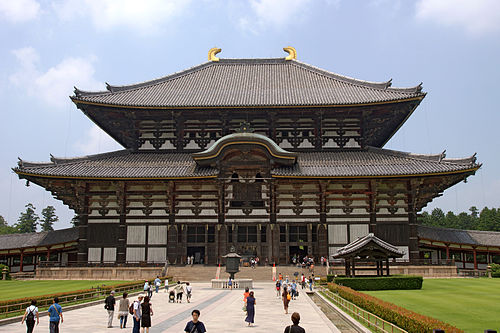


Kōdai-ji: how long is the free audio guide?
About 6 minutes of listening in 5 sections: “Welcome to Kōdai-ji”, “Kōdai-ji and a Widow's Vow”, “Kōdai-ji, the Maki-e Temple”, “Kōdai-ji and the Buildings That Survived”, and “Before You Head Off”.
A Zen temple founded by Toyotomi Hideyoshi's widow in his memory

Quick answer. Yes. Mappu’s Kōdai-ji audio guide (Kyoto, Japan) is free in your browser: 5 sections and about 6 minutes of listening, in 8 languages. It covers “Kōdai-ji and a Widow's Vow”, “Kōdai-ji, the Maki-e Temple” and “Kōdai-ji and the Buildings That Survived”. In the Mappu app, Walk Mode narrates the places around you as you move and answers your follow-up questions.
Mappu's own map of the place, with the paths and entrances OpenStreetMap shows around it.
Welcome to Kōdai-ji, written 高台寺 in Japanese. This is a Zen Buddhist temple in the Higashiyama district of Kyoto, in the Shimogawara neighborhood, just south of Yasaka Shrine. It belongs to the Kenninji branch of the Rinzai school of Zen. Its mountain name is Jubuzan, and its main image is a statue of Shaka Nyorai, the historical Buddha. This is a temple built out of love and remembrance. It was founded by Kita-no-Mandokoro, the principal wife of the great warlord Toyotomi Hideyoshi, who is often called Nene. She created it to pray for her husband's soul after his death. As you walk through, keep that in mind. Much of what you see is about memory, and about the refined taste of the Momoyama era, the age of Hideyoshi. Over the next few minutes we will look at who built the temple and why, then at its famous lacquer art, and finally at the handful of original buildings that survived the fires. Let's begin.
Toyotomi Hideyoshi rose from humble origins to rule Japan, and he died in 1598. His principal wife, Kita-no-Mandokoro, then made a vow to build a temple in memory of his soul. Kōdai-ji is the result. Its formal name is Kodaijusho-zenji, and it is usually dated to the years 1605 to 1606. Accounts differ on the exact year, and the sixth year of Keichō, then the eleventh, are both mentioned. Here is a twist of history. The man who backed her project was Tokugawa Ieyasu, the rival who would go on to found the shogunate that replaced Hideyoshi's line. Ieyasu supported the construction. He appointed Itakura Katsushige, the Kyoto Shoshidai, as the magistrate of works, and had samurai under him carry out the building. One of them, Hori Naomasa, was especially important, and a wooden statue of him is enshrined in the Founder's Hall, the Kaisan-do. The temple did not start from nothing. It rose on ground once belonging to a temple called Unkō-ji, which burned down during the Ōnin War. And the first buildings were begun by relocating structures from other temples in Kyoto. In a sense, Kōdai-ji was assembled from older pieces and given a new purpose.
Ask a lover of Japanese crafts about Kōdai-ji and they will probably mention lacquer. The temple is nicknamed the maki-e temple. Maki-e is the art of sprinkling gold or silver powder onto wet lacquer to make shimmering designs. The temple's own style, called Kōdai-ji maki-e, combines a variety of techniques, and lacquerware has a long tradition here. The finest showcase is the Otamaya, the mortuary hall, where the maki-e decoration adorns the shrine enshrined inside. It is among the buildings designated as Important Cultural Properties by the Japanese government. The style traveled beyond the temple walls. One tea utensil, a natsume, the small lacquered caddy used for powdered tea, carries the name Kōdai-ji bun natsume. It features two emblems: the imperial chrysanthemum seal, and the paulownia seal of the regent. The paulownia was the crest associated with Hideyoshi's world. Look for those two crests, and you will begin to read the Momoyama taste for bold, golden display.
The Kōdai-ji you see is not the one Nene knew in full. After 1789, a series of fires ravaged the temple. Of the original buildings, what survives is the Otamaya, the Kaisan-do, the Kangetsu-dai, the Kasa-tei and the Shigure-tei, along with a few others. The Japanese heritage database lists five national Important Cultural Properties here: the mortuary hall decorated with Kōdai-ji maki-e, the Kaisan-do, the front gate, the Kasa-tei together with the Shigure-tei, and the Kangetsu-dai. That is the cluster to look for as you wander. The Kasa-tei and Shigure-tei are tea pavilions, and their names mean the Umbrella Pavilion and the Pavilion of Passing Showers. The Kangetsu-dai is the moon-viewing platform, whose name means just what it says. These survivors are said to remain in an excellent state of preservation. So each one, whether a tea pavilion, a hall for the temple's founder, or a mortuary shrine of gold-dusted lacquer, comes from the time of the temple's creation.
As you leave, think of how much is layered into one temple. There is a widow's prayer for a famous husband, and a former rival's support. A site once belonging to a vanished temple, structures brought in from elsewhere, and a craft so distinctive that it carries the temple's name. Before you go, see if you can pick out the small things. Look for the golden maki-e patterns, the crests that appear in them, and the names of the surviving buildings. Notice how the moon-viewing platform and the tea pavilions seem made for slowing down. And perhaps ask yourself what Nene wanted this place to feel like. The answer may be waiting in the next corner you turn.
AI-generated from 6 sources; reviewed for accuracy and last updated on October 31, 2026. Verify tickets and opening hours on the official site. Independent guide by Mappu. Not affiliated with or endorsed by the site or its managers.
The nearest places with a Mappu audio guide, in walking order: about 1.9 km and 25 minutes on foot in all.
Indicative route. While you walk, watch where you're going, mind the traffic and follow local signs and rules. The map is an aid, not a safety guide. Terms

Kōdai-jiThis guide
about 0.4 km · about 5 min on foot
 Hōkan Temple
about 0.7 km · about 10 min on foot
 Yasaka Shrine
about 0.2 km · about 2 min on foot
 Gion
about 0.6 km · about 8 min on foot
 Chion-in
Walk Mode, in the free Mappu app: 2 hours for 50 credits (€4.99 Starter pack)
Planning a trip to Kyoto?
Mappu sketches your days free in the chat, no account needed. Then take the full plan with you:
Plan your trip on a map and get an audio guide for almost any place nearby: just tap it on the Mappu map.
About 6 minutes of listening in 5 sections: “Welcome to Kōdai-ji”, “Kōdai-ji and a Widow's Vow”, “Kōdai-ji, the Maki-e Temple”, “Kōdai-ji and the Buildings That Survived”, and “Before You Head Off”.
You can ask follow-up questions such as “Why did Tokugawa Ieyasu support the building of a temple dedicated to Hideyoshi's memory?” and keep asking in Mappu, with the guide connected to your map and trip plan.