Hirano Shrine Audio Guide

A Shinto shrine moved from Nara in 794, famed for its cherry trees

Hirano Shrine
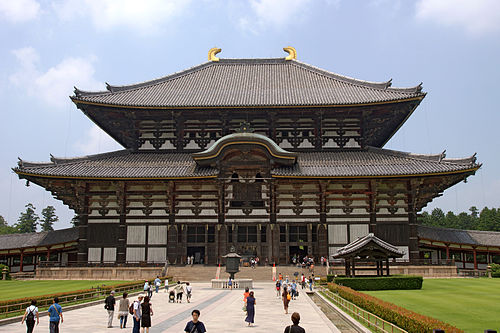
Photo by 掬茶Wikimedia CommonsCC BY-SA 4.0

6 min of listening · Section 1 of 5: Welcome to Hirano Shrine

Prefer reading? The full guide is below

Here in person? Walk on with Mappu

This audio guide tells one place’s story. Walk Mode keeps going as you walk:

  • It knows where you are and talks about what’s in front of you, not only these chapters.
  • It takes you on to the next sight and follows what interests you.
  • Ask about anything you see, and it answers on the spot.
  • Your phone stays in your pocket.

A 2-hour live walk with Mappu, €4.99.

50 credits from the Starter pack. One-time purchase, no subscription.

Self-guided audio walk. No guide accompanies you. Not affiliated with the sites.

Keep exploring

Discover more places in Mappu.

Hirano Shrine • Section 1 of 5

Hirano Shrine: is there a free audio guide?

Quick answer. Yes. Mappu’s Hirano Shrine audio guide (Kyoto, Japan) is free in your browser: 5 sections and about 6 minutes of listening, in 8 languages. It covers “From Nara to Kyoto: The Origins of Hirano Shrine”, “Four Deities and the Imperial Court at Hirano Shrine” and “Hirano Zukuri and the Famous Cherry Garden at Hirano Shrine”. In the Mappu app, Walk Mode narrates the places around you as you move and answers your follow-up questions.

Hirano Shrine map

Mappu's own map of the place, with the paths and entrances OpenStreetMap shows around it.

Hirano Shrine mapThe place on the map, with the guide's point marked.

Hirano Shrine: what does the audio guide cover?

  1. 01

    Welcome to Hirano Shrine

    Welcome to Hirano Shrine, known in Japanese as 平野神社 and pronounced Hirano Jinja. It stands in Hiranomiyamotocho, in Kita Ward, in the northern part of Kyoto. In ancient times this was open plain north of the Heian capital's great imperial palace compound. Today it is one of the city's most beloved places for cherry blossoms, yet the shrine is far older and more interesting than its spring fame suggests. In the old ranking of Japanese shrines, Hirano held the status of a Myojin Taisha, a great shrine of special standing. It is counted among the Twenty-Two Shrines, in the upper seven, the group the imperial court honored most. Its former rank was Kanpei Taisha, a shrine supported by the state. Its crest is the double-flowered cherry, so the blossom you will see everywhere is also the shrine's emblem. Over the next few sections we will look at its origins in the old capital of Nara, its four deities, its unusual main halls, and the cherry trees. Take your time as you walk. This is a place where court history and seasonal beauty sit side by side.

  2. 02

    From Nara to Kyoto: The Origins of Hirano Shrine

    The story begins with a move of the capital. Tradition holds that when the court shifted to Heian-kyo, the Kyoto of today, in the year 794, the shrine's deities came with it from the Nara region. Hirano Shrine's own account says it was settled here in 794, the very year of the move. Kyoto's tourism information describes it as the only shrine said to have been transferred from Nara to Kyoto. Historians add a fascinating layer. Recent research suggests the shrine began as a small sanctuary in the old capital of Heijo-kyo, honoring the ancestral deity of Takano no Niigasa, the mother of Emperor Kanmu. When Kanmu moved the capital, that family shrine was relocated close to the new palace. One account says it first stood within a palace called Tamura in Heijo-kyo. The exact founding date is told in different ways. One record gives 794, another gives 785, and others say only that it was founded during the Enryaku era, between 782 and 806. An official document of 801 mentions the Hirano festival, so the shrine was certainly established around then, not long after the new capital was founded.

  3. 03

    Four Deities and the Imperial Court at Hirano Shrine

    Hirano Shrine honors four deities: Imaki, Kudo, Furuaki and Hime. Imaki is the principal one. According to a ninth-century record, the shrine first enshrined only the first three, and Hime was added later to share the sanctuary, which made four. The name Hirano originally referred only to Imaki. Over time it came to cover all four together. The shrine was deeply tied to the court. In ancient times it protected the crown prince. At the annual Hirano festival, the crown prince himself presented offerings. Princes, other members of the imperial family and ministers took part in the ceremonies, and emperors visited many times. Hirano also became the guardian shrine of many families. Several noble clans, descended from imperial lines but later given family names, honored it as their clan deity, among them the Genji and the Heike. In its early days the shrine's grounds were far larger than today, and reached as far as the area where Kinkakuji now stands.

  4. 04

    Hirano Zukuri and the Famous Cherry Garden at Hirano Shrine

    Now look at the main halls. They follow a style that takes its name from this shrine: Hirano-zukuri, also called hiyoku Kasuga-zukuri, or twin-winged Kasuga style. There are four small Kasuga-style sanctuaries, one for each deity, joined two by two. A crosswise ridge links each pair and forms a connecting space between them, with a shared porch at the front. The result looks, at first glance, like a single wider hall. They face east, were built in the Kanei era, with the south hall dating to 1625 and the north hall to 1632, and are designated Important Cultural Properties. The worship hall was donated by Tofukumonin and is known as the grafted worship hall. Its plaques of the Thirty-Six Poetry Immortals are by Kaihoku Yusetsu. Then there are the cherries. Tradition credits Emperor Kazan with planting them, and from the Heian period the shrine has been a renowned blossom spot. In the Edo period ordinary townspeople came for the Hirano night cherry blossoms. There are about 400 trees of dozens of varieties, with names such as Sakigake, Nezame, Hirano Imose and Taoyame. The flowering stretches from mid March to late April, and in early April the red weeping and Yoshino cherries are at their finest.

  5. 05

    Before You Head Off

    Hirano Shrine rewards more than one visit. The cherry blossom festival is held on April the tenth, and during the blossom season there are concerts and, for a fee, cherry blossom tea. Other seasons have their own pleasures. Through the year the grounds hold camellias, plum, hydrangea and cosmos. In October, beautyberry bushes, about 1,500 of them, fill the cherry garden and can be seen free of charge. Behind the main halls the hillside draws many wild birds, so listen for their calls. As you leave, think about what you have walked through. It is a shrine that crossed from Nara to a new capital, guarded a crown prince, and became the guardian of noble families. See whether you can find the point where the four deities' halls join, and notice which blossoms are open in the season you have come.

About this guide

AI-generated from 6 sources; reviewed for accuracy and last updated on October 31, 2026. Verify tickets and opening hours on the official site. Independent guide by Mappu. Not affiliated with or endorsed by the site or its managers.

Run a travel site or blog? Embed this audio guide for free.

Walk on from here

The nearest places with a Mappu audio guide, in walking order: about 2.7 km and 35 minutes on foot in all.

Route map: walking on from Hirano Shrine4 numbered stops in walking order. Stop 1: Hirano Shrine; Stop 2: Kitano Tenmangū; Stop 3: Tōji-in Temple; Stop 4: Ryōan-ji.Stop 1: Hirano Shrine1Stop 2: Kitano Tenmangū2Stop 3: Tōji-in Temple3Stop 4: Ryōan-ji4
Distances are estimates: the straight line between places plus 30%.

Indicative route. While you walk, watch where you're going, mind the traffic and follow local signs and rules. The map is an aid, not a safety guide. Terms

  1. Hirano ShrineThis guide

    about 0.6 km · about 8 min on foot

  2. Kitano Tenmangū

    about 1.4 km · about 19 min on foot

  3. Tōji-in Temple

    about 0.7 km · about 10 min on foot

  4. Ryōan-ji
Photo attribution

Walk Mode, in the free Mappu app: 2 hours for 50 credits (€4.99 Starter pack)

Planning a trip to Kyoto?

Get your plan

Mappu sketches your days free in the chat, no account needed. Then take the full plan with you:

  • Weekend trip, €9.99: Your day-by-day plan plus 2 live walks
  • Save your trip’s free guides on your phone in the Mappu app: they play with no signal
See the trip packs

Already going? The 2-hour live walk in Kyoto is €4.99

Plan your trip on a map and get an audio guide for almost any place nearby: just tap it on the Mappu map.

Common questions

Hirano Shrine: how long is the free audio guide?

About 6 minutes of listening in 5 sections: “Welcome to Hirano Shrine”, “From Nara to Kyoto: The Origins of Hirano Shrine”, “Four Deities and the Imperial Court at Hirano Shrine”, “Hirano Zukuri and the Famous Cherry Garden at Hirano Shrine”, and “Before You Head Off”.

Hirano Shrine: what can I ask Mappu after the guide?

You can ask follow-up questions such as “How does the idea of a family shrine from Nara being moved beside the new capital help explain Hirano Shrine's close ties to the imperial court?” and keep asking in Mappu, with the guide connected to your map and trip plan.