National Museum of Nature and Science Audio Guide

Audio guide for National Museum of Nature and Science

National Museum of Nature and Science
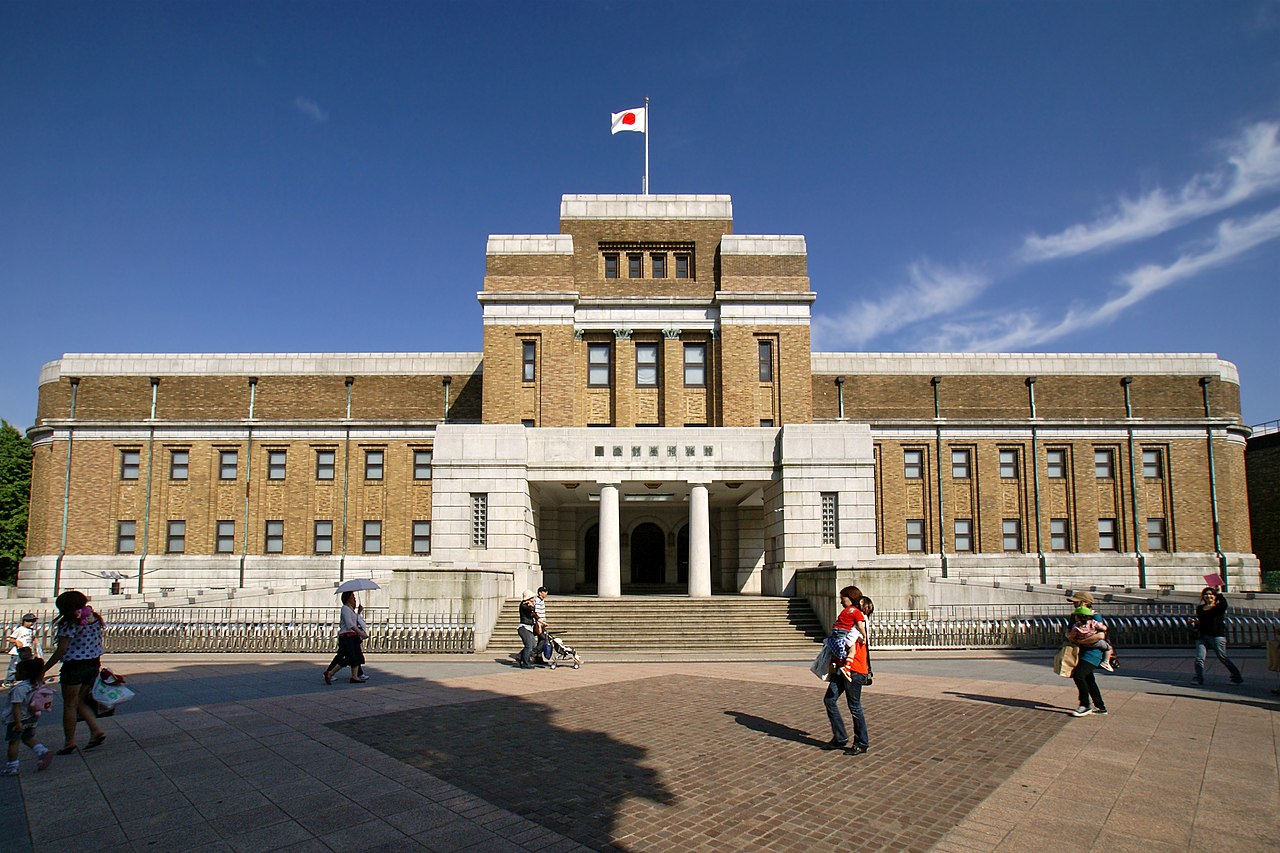
Photo by 663highlandWikimedia CommonsCC BY 2.5

6 min of listening · Section 1 of 5: Welcome to National Museum of Nature and Science

Prefer reading? The full guide is below

Here in person? Walk on with Mappu

This audio guide tells one place’s story. Walk Mode keeps going as you walk:

  • It knows where you are and talks about what’s in front of you, not only these chapters.
  • It takes you on to the next sight and follows what interests you.
  • Ask about anything you see, and it answers on the spot.
  • Your phone stays in your pocket.

A 2-hour live walk with Mappu, €4.99.

50 credits from the Starter pack. One-time purchase, no subscription.

Self-guided audio walk. No guide accompanies you. Not affiliated with the sites.

Keep exploring

Discover more places in Mappu.

National Museum of Nature and Science • Section 1 of 5

National Museum of Nature and Science: is there a free audio guide?

Quick answer. Yes. Mappu’s National Museum of Nature and Science audio guide (Tokyo, Japan) is free in your browser: 5 sections and about 6 minutes of listening, in 8 languages. It covers “National Museum of Nature and Science: A Story Beginning in 1872” and “The Japan Gallery: A Building Shaped Like an Airplane”. In the Mappu app, Walk Mode narrates the places around you as you move and answers your follow-up questions.

National Museum of Nature and Science map

Mappu's own map of the place, with the paths and entrances OpenStreetMap shows around it.

National Museum of Nature and Science mapThe place on the map, with the guide's point marked.

National Museum of Nature and Science: what does the audio guide cover?

  1. 01

    Welcome to National Museum of Nature and Science

    Welcome to the National Museum of Nature and Science, known in Japanese as Kokuritsu Kagaku Hakubutsukan. You are standing in the northeast corner of Ueno Park, in Taito Ward, Tokyo. Locals often shorten the name to Kahaku, and you will hear that nickname in conversations around you. This is the only national museum in Japan devoted to the full sweep of natural history and the history of science and technology. Its founding purpose is to advance natural science and public education by researching, collecting, caring for and displaying specimens and materials. Interestingly, it is staffed by working researchers rather than the usual curators. The museum is made of two main buildings. The Japan Gallery, called Nihonkan, tells the story of the Japanese archipelago and the people living on it. The Global Gallery, called Chikyukan, follows the history of life on Earth and the story of humankind. Over the next few minutes I will take you through the museum's long history, its landmark building, and a few of the treasures that make it remarkable.

  2. 02

    National Museum of Nature and Science: A Story Beginning in 1872

    The story of the National Museum of Nature and Science begins before Ueno Park even entered the picture. In 1872, a museum was established inside Yushima Seido, the old Confucian shrine complex in Tokyo. The institution counts 1877 as its official founding, the year an Education Museum was set up. That makes it one of the oldest museums in Japan. The road after that was not a straight line. The collection came under the Higher Normal School, and for a time the museum's activity slowed down. Then, in the Taisho era, enthusiasm for a proper science museum grew. In 1930 a new building rose in Ueno Park, the one we now call the Japan Gallery. The following year the institution was renamed the Tokyo Science Museum and became a facility of Tokyo City. In 1949 it passed into national hands, and the name you see today was born. It then kept growing. In 1962 it took in the Institute for Nature Study in Minato Ward, and in 1971 it absorbed the Institute of Resource Science. Later, as the Tsukuba research city developed, the Tsukuba Botanical Garden joined as an attached facility. Those pieces gave the museum roughly the footprint it has today.

  3. 03

    The Japan Gallery: A Building Shaped Like an Airplane

    Take a good look at the Japan Gallery itself, because the building is an exhibit in its own right. It was completed in September 1931 as the main building of the Tokyo Science Museum, part of the reconstruction effort after the Great Kanto Earthquake. It was designed by an engineer of the Ministry of Education's building division, in the Neo-Renaissance style. The design carries a clever idea. The building is laid out in the form of an airplane, which in those days was a symbol of scientific technology. Inside, you will notice weighty, solemn architecture and stained glass that lets soft light fall into the halls. The building's importance has been officially recognized. On 9 June 2008 it was designated an Important Cultural Property. So as you walk through, remember that you are moving through a piece of heritage that has been housing science for more than 90 years, including today's exhibits on the nature of the Japanese archipelago and its people.

  4. 04

    Treasures: Dogs, a Whale and a Clock Older Than the Museum

    Now for some of the stars of the collection. The museum is where you can meet the taxidermied bodies of the legendary dogs Hachiko, Taro and Jiro. Outside, a life-size blue whale model and a steam locomotive greet visitors, a pairing that sums up the museum's range from the living world to the age of machines. There is also a treasure that predates the museum's modern form by a long way: the Myriad Year Clock, a mechanical clock made in 1851 by Hisashige Tanaka. He founded the Tanaka Manufacturing Works, the enterprise that grew into Toshiba. The clock is owned by Toshiba and was placed on deposit with the Tokyo Science Museum in 1931. Today it is displayed on the second floor of the Global Gallery. The museum also presents exhibitions on pre-Meiji science in Japan. Together these objects show that science here did not arrive from nowhere. It grew from earlier craftsmanship and curiosity, and it is still ticking, quite literally, in a glass case.

  5. 05

    Before You Head Off

    As you finish your visit to the National Museum of Nature and Science, notice how many layers sit side by side: a shrine-based beginning in 1872, an airplane-shaped landmark from 1931, and modern research that stretches from Ueno to Tsukuba. The museum has also added to its grounds over the decades. In 1965 a science and engineering hall was completed, which later became the Tanken-kan, an explorers' hall. It is another reminder that this place has never stood still. Before you leave, look back at the Japan Gallery from outside and see if you can picture its airplane outline. Then ask yourself which exhibit would you tell a friend about first: a famous dog, a great whale, or a clock from 1851? Ueno Park has more to explore around you, and this museum is a fine place to start.

About this guide

AI-generated from 6 sources; checked automatically and last updated on October 31, 2026. Verify tickets and opening hours on the official site. Independent guide by Mappu. Not affiliated with or endorsed by the site or its managers.

Run a travel site or blog? Embed this audio guide for free.

Walk on from here

This place is stop 3 of 4 of a self-guided walk: Ueno Park to Ueno Zoo, Tokyo. About 1.8 km and 25 minutes on foot, plus about 26 minutes of listening.

Route map: walking on from National Museum of Nature and Science4 numbered stops in walking order. Stop 1: Ueno Park; Stop 2: National Museum of Western Art; Stop 3: National Museum of Nature and Science; Stop 4: Ueno Zoo.Stop 1: Ueno Park1Stop 2: National Museum of Western Art2Stop 3: National Museum of Nature and Science3Stop 4: Ueno Zoo4
Distances are estimates along the walking route, from OpenStreetMap.

Indicative route. While you walk, watch where you're going, mind the traffic and follow local signs and rules. The map is an aid, not a safety guide. Terms

  1. Ueno Park

    about 0.7 km · about 9 min on foot

  2. National Museum of Western Art

    about 0.3 km · about 4 min on foot

  3. National Museum of Nature and ScienceThis guide

    about 0.8 km · about 11 min on foot

  4. Ueno Zoo
Photo attribution

Walk Mode, in the free Mappu app: 2 hours for 50 credits (€4.99 Starter pack)

See the whole walk

Planning a trip to Tokyo?

Get your plan

Mappu sketches your days free in the chat, no account needed. Then take the full plan with you:

  • Weekend trip, €9.99: Your day-by-day plan plus 2 live walks
  • Save your trip’s free guides on your phone in the Mappu app: they play with no signal
See the trip packs

Already going? The 2-hour live walk in Tokyo is €4.99

Plan your trip

Photo attribution
  • Tokyo 3-Day Itinerary: Alex
  • Japan First Trip 10-Day Itinerary: Stefan K

Plan your trip on a map and get an audio guide for almost any place nearby: just tap it on the Mappu map.

Common questions

National Museum of Nature and Science: how long is the free audio guide?

About 6 minutes of listening in 5 sections: “Welcome to National Museum of Nature and Science”, “National Museum of Nature and Science: A Story Beginning in 1872”, “The Japan Gallery: A Building Shaped Like an Airplane”, “Treasures: Dogs, a Whale and a Clock Older Than the Museum”, and “Before You Head Off”.

National Museum of Nature and Science: what can I ask Mappu after the guide?

You can ask follow-up questions such as “How did the museum grow from its 1872 beginnings at Yushima Seido into the national institution it is today?” and keep asking in Mappu, with the guide connected to your map and trip plan.