Dōtonbori Audio Guide

Audio guide for Dōtonbori

Dōtonbori
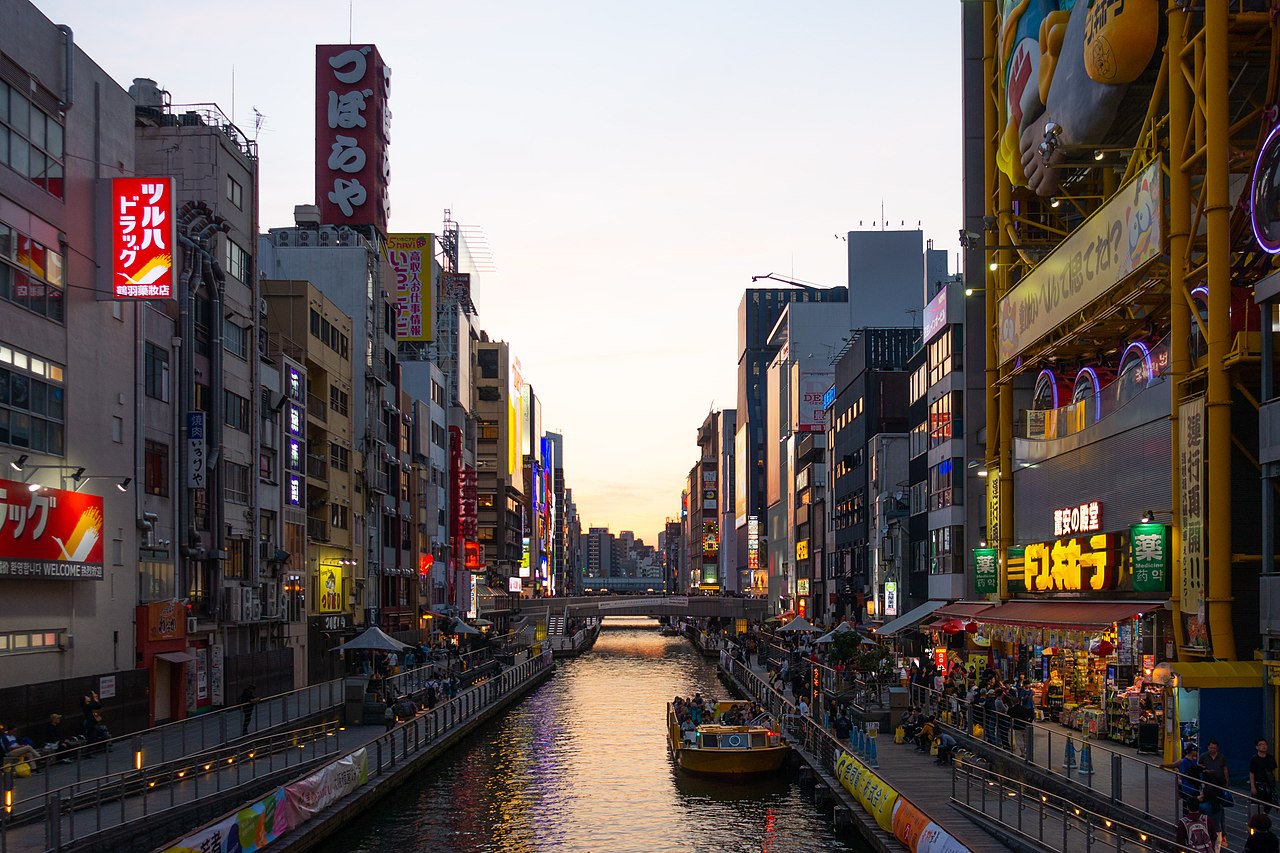
Photo by blieusongWikimedia CommonsCC BY-SA 2.0

6 min of listening · Section 1 of 5: Welcome to Dōtonbori

Prefer reading? The full guide is below

Here in person? Walk on with Mappu

This audio guide tells one place’s story. Walk Mode keeps going as you walk:

  • It knows where you are and talks about what’s in front of you, not only these chapters.
  • It takes you on to the next sight and follows what interests you.
  • Ask about anything you see, and it answers on the spot.
  • Your phone stays in your pocket.

A 2-hour live walk with Mappu, €4.99.

50 credits from the Starter pack. One-time purchase, no subscription.

Self-guided audio walk. No guide accompanies you. Not affiliated with the sites.

Keep exploring

Discover more places in Mappu.

Dōtonbori • Section 1 of 5

Dōtonbori: is there a free audio guide?

Quick answer. Yes. Mappu’s Dōtonbori audio guide (Osaka, Japan) is free in your browser: 5 sections and about 6 minutes of listening, in 8 languages. It covers “Dōtonbori and the Man Who May Not Have Been”, “Dōtonbori, Stage of the Floating World” and “Dōtonbori, the Nation's Kitchen”. In the Mappu app, Walk Mode narrates the places around you as you move and answers your follow-up questions.

Dōtonbori map

Mappu's own map of the place, with the paths and entrances OpenStreetMap shows around it.

Dōtonbori mapThe place on the map, with the guide's point marked.

Dōtonbori: what does the audio guide cover?

  1. 01

    Welcome to Dōtonbori

    Welcome to Dōtonbori, written 道頓堀 in Japanese, one of Osaka's most famous districts. This is a guide to the district as a whole, the whole stretch of canal and the streets around it, rather than to a single building. Dōtonbori runs along the canal that shares its name, from Dōtonboribashi Bridge to Nipponbashi Bridge, in the Namba part of the city. It is known for dazzling neon signs, street food and an atmosphere that never quite switches off. Millions of visitors come to feel Osaka's modern energy sitting right beside older Japanese traditions. Over the next few stops we will dig into where the name came from, how a canal became a theater district, what earned this place the nickname the Nation's Kitchen, and which landmarks to look for as you walk. Along the way there is a story about a founder who may never have existed. Let's begin at the water.

  2. 02

    Dōtonbori and the Man Who May Not Have Been

    Every place name hides a story, and this one hides a good puzzle. The traditional telling goes like this. In 1612, a merchant named Yasui Dōton began digging a canal on Osaka's southern edge to boost trade. Local folklore adds that he invested his entire savings in the project, then died in the Siege of Osaka before he could see it finished. His cousin completed the canal in 1615, and the waterway was named Dōtonbori, the Dōton Canal, in his memory. The tale was popular enough that a stone monument to Yasui Dōton was erected in 1915, at the north end of Nipponbashi. Here is the twist. In 1965, a court case called the Dōtonbori Trial was fought over ownership rights to the canal. It determined that Yasui Dōton was a fictional character, working from Yasui family records dating back to the 1600s. So the canal, the family and the name are real, while the heroic founder of the story is a legend that grew up around them. It is a lovely reminder that cities, like their canals, are shaped by what people choose to remember.

  3. 03

    Dōtonbori, Stage of the Floating World

    Once the canal was in place, entertainment moved in. By 1621, under the urban planning directives of the Tokugawa shogunate, Dōtonbori was designated Osaka's primary entertainment district. It flourished quickly, becoming home to six kabuki theaters and five bunraku puppet theaters. Imagine eleven playhouses packed along one stretch of waterfront. That theatrical heritage is still part of the neighborhood. The Osaka Shochikuza Theater first opened its doors in May 1923. Its Neo-Renaissance design was inspired by Teatro alla Scala in Milan, so it is as impressive outside as it is inside. It is also counted among the few structures here that came through the devastation of World War Two, and it remains a place to see live kabuki. For bunraku, the traditional puppet theater, the National Bunraku Theater was established in 1984 in Chūō Ward, close to Dōtonbori. So when you see the glowing signs overhead, remember that you are standing in a district that has been putting on a show for four centuries.

  4. 04

    Dōtonbori, the Nation's Kitchen

    Dōtonbori has long been known as the Nation's Kitchen. During the Edo period, rows of warehouse residences lined the area, and it played a major role in shaping Japan's food culture. Today it is still known as a city of indulgent eating, and you can taste why. Osaka favorites such as takoyaki, okonomiyaki, tonpeiyaki and kushikatsu are everywhere, along with grilled seafood skewers, fresh fruit juice and soft serve ice cream to enjoy while you stroll. The signs are half the fun. Look for the giant Kani Doraku crab, the Kuidaore Taro doll, and the giant octopus sign at the Konamon Museum. Kuidaore Taro recalls Cui-daoré, a famous eight-story restaurant with a different Osaka cuisine on each floor, which once billed itself as a contender for the world's largest restaurant. Some food stories here run deep. Imai, an udon restaurant since 1946, stands on a site where the Imai family ran a teahouse from the 1780s and then a music instrument shop from 1913 to 1945. That shop burned during World War Two, and the site was rebuilt as a restaurant. For sweets, the long-established confectioner Chidoriya is known for treats such as Chidori Manju and Mitarashi Komochi.

  5. 05

    Before You Head Off

    Dōtonbori keeps changing. In 2019, Osaka welcomed 12 million international visitors, and the district keeps adding new landmarks, signage, shops and culinary options, so no two visits look exactly alike. Before you move on, try a few things. Walk the canal from Dōtonboribashi Bridge toward Nipponbashi Bridge and notice how the neon doubles itself in the water. You can also see the canal from the water on a Dōtonbori canal cruise. Look for the big Ferris wheel on the Don Quijote store, which is known for its late hours, and see how many of the giant food signs you can spot in a single block. Then keep asking questions. Which of these stories feels true to you: the legendary founder, the 11 theaters, or the city that fed a nation? The district rewards a second look, so wander a little further and see what the next side street holds.

About this guide

AI-generated from 6 sources; checked automatically and last updated on October 31, 2026. Verify tickets and opening hours on the official site. Independent guide by Mappu. Not affiliated with or endorsed by the site or its managers.

Run a travel site or blog? Embed this audio guide for free.

Walk on from here

This place is stop 2 of 5 of a self-guided walk: Shinsaibashi to Shitenno-ji, Osaka. About 4.3 km and 60 minutes on foot, plus about 30 minutes of listening.

Route map: walking on from Dōtonbori5 numbered stops in walking order. Stop 1: Shinsaibashi; Stop 2: Dōtonbori; Stop 3: Nipponbashi Bridge; Stop 4: Shinsekai; Stop 5: Shitennō-ji.Stop 1: Shinsaibashi1Stop 2: Dōtonbori2Stop 3: Nipponbashi Bridge3Stop 4: Shinsekai4Stop 5: Shitennō-ji5
Distances are estimates along the walking route, from OpenStreetMap.

Indicative route. While you walk, watch where you're going, mind the traffic and follow local signs and rules. The map is an aid, not a safety guide. Terms

  1. Shinsaibashi

    about 0.6 km · about 7 min on foot

  2. DōtonboriThis guide

    about 0.5 km · about 7 min on foot

  3. Nipponbashi Bridge

    about 2.0 km · about 27 min on foot

  4. Shinsekai

    about 1.3 km · about 17 min on foot

  5. Shitennō-ji
Photo attribution

Walk Mode, in the free Mappu app: 2 hours for 50 credits (€4.99 Starter pack)

See the whole walk

Planning a trip to Osaka?

Get your plan

Mappu sketches your days free in the chat, no account needed. Then take the full plan with you:

  • Weekend trip, €9.99: Your day-by-day plan plus 2 live walks
  • Save your trip’s free guides on your phone in the Mappu app: they play with no signal
See the trip packs

Already going? The 2-hour live walk in Osaka is €4.99

Plan your trip

Photo attribution

Useful for your visit

Tickets, tours and practical extras for this trip, from Mappu's partners.

Partner links (Airalo, Amazon, Booking.com, GetYourGuide, Klook, Tiqets, Trip.com, Viator, Welcome Pickups): if you book or buy through them, Mappu may earn a commission, at no extra cost to you.

Plan your trip on a map and get an audio guide for almost any place nearby: just tap it on the Mappu map.

Common questions

Dōtonbori: how long is the free audio guide?

About 6 minutes of listening in 5 sections: “Welcome to Dōtonbori”, “Dōtonbori and the Man Who May Not Have Been”, “Dōtonbori, Stage of the Floating World”, “Dōtonbori, the Nation's Kitchen”, and “Before You Head Off”.

Dōtonbori: what can I ask Mappu after the guide?

You can ask follow-up questions such as “How did the legend of Yasui Dōton grow, and what did the 1965 Dōtonbori Trial conclude about him?” and keep asking in Mappu, with the guide connected to your map and trip plan.