Nikkō Tōshō-gū Audio Guide

Audio guide for Nikkō Tōshō-gū

Nikkō Tōshō-gū
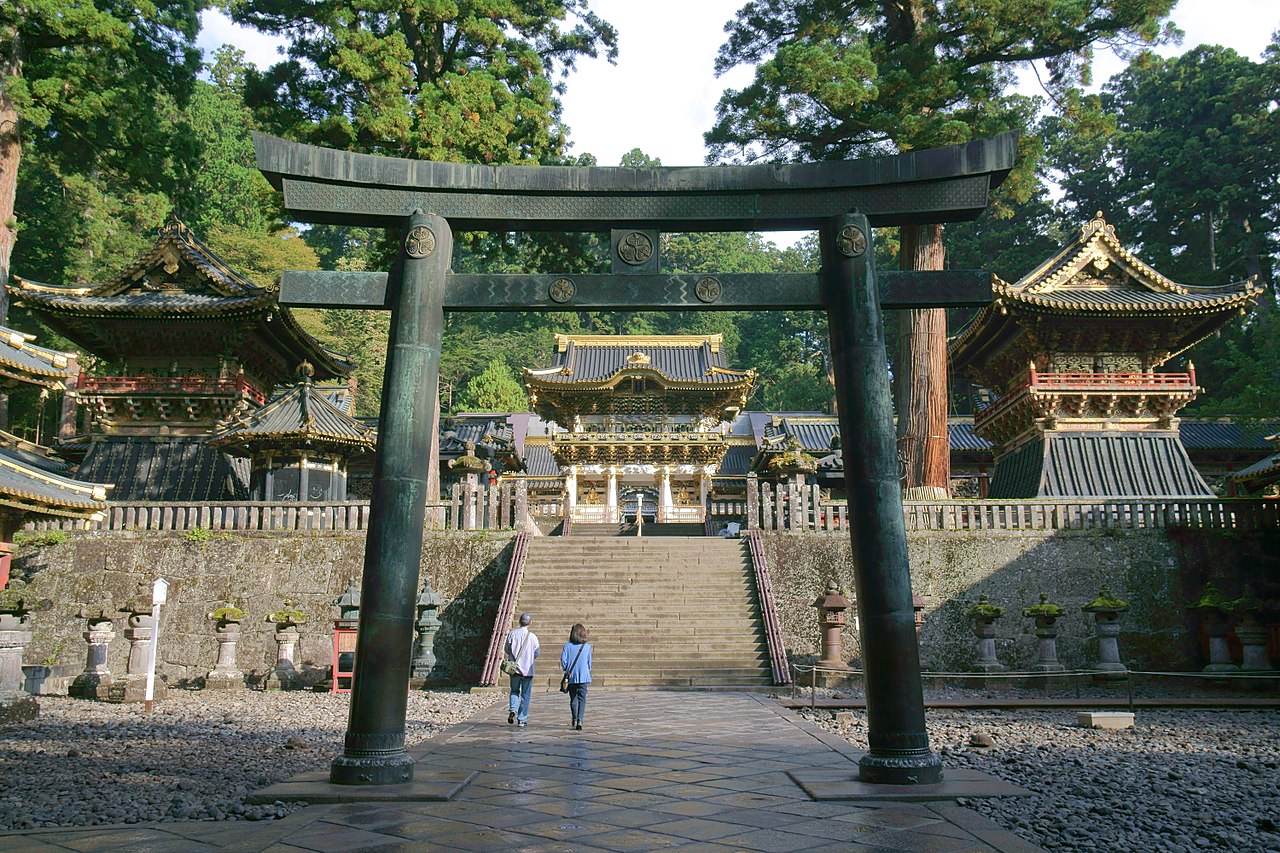
Photo by Koichi SatoWikimedia CommonsCC BY-SA 4.0

6 min of listening · Section 1 of 5: Welcome to Tōshō-gū shrine

Prefer reading? The full guide is below

Here in person? Walk on with Mappu

This audio guide tells one place’s story. Walk Mode keeps going as you walk:

  • It knows where you are and talks about what’s in front of you, not only these chapters.
  • It takes you on to the next sight and follows what interests you.
  • Ask about anything you see, and it answers on the spot.
  • Your phone stays in your pocket.

A 2-hour live walk with Mappu, €4.99.

50 credits from the Starter pack. One-time purchase, no subscription.

Self-guided audio walk. No guide accompanies you. Not affiliated with the sites.

Keep exploring

Discover more places in Mappu.

Nikkō Tōshō-gū • Section 1 of 5

Nikkō Tōshō-gū: is there a free audio guide?

Quick answer. Yes. Mappu’s Nikkō Tōshō-gū audio guide (Nikko, Japan) is free in your browser: 5 sections and about 6 minutes of listening, in 8 languages. It covers “Why Ieyasu Rests at Tōshō-gū shrine”, “Gold, Carvings and the Gate at Tōshō-gū shrine” and “Processions and Living Tradition at Tōshō-gū shrine”. In the Mappu app, Walk Mode narrates the places around you as you move and answers your follow-up questions.

Nikkō Tōshō-gū map

Mappu's own map of the place, with the paths and entrances OpenStreetMap shows around it.

Nikkō Tōshō-gū mapThe place on the map, with the guide's point marked.

Nikkō Tōshō-gū: what does the audio guide cover?

  1. 01

    Welcome to Tōshō-gū shrine

    Welcome to Tōshō-gū shrine, known in Japanese as Nikkō Tōshōgū, tucked into the mountain precincts of Nikkō in Tochigi Prefecture. This is a place where a shogun became a god, and where the buildings were made to say so in gold, lacquer and carved color. The shrine honors Tokugawa Ieyasu, founder of the Edo shogunate, who is worshipped here as Tōshō Daigongen, a deified form of the man himself. It is regarded as the head shrine of all the Tōshō-gū shrines across Japan, and it is counted among the three great ones, alongside Kunōzan Tōshō-gū and Ueno Tōshō-gū. Together with Futarasan Shrine and the Buddhist temple Rinnō-ji, it forms the Shrines and Temples of Nikkō, a UNESCO World Heritage Site inscribed in 1999. Forty-two structures of this shrine are part of that listing. Over the next few minutes, we will look at why Ieyasu rests in these mountains, how this shrine was built to dazzle, and how the Edo-period spectacle still returns each year.

  2. 02

    Why Ieyasu Rests at Tōshō-gū shrine

    Let's begin with a last wish. Ieyasu's instructions, recorded in the diary of his advisor Konchiin Sūden, were that his body be placed at Kunōzan. After the first anniversary had passed, a small hall was to be built at Nikkō, where he would be enshrined as a deity. His stated aim was to become the guardian of the eight provinces of the Kantō region, and that idea is usually understood as a promise to guard the peace of the whole country. Nikkō was not a random choice. The mountain had been opened as a sacred site by the monk Shōdō in the year 766, according to the temple Rinnō-ji next door. Over the centuries it became a revered religious center of eastern Japan, and the first Kamakura shogun, Minamoto no Yoritomo, made donations to it. Historians read the Tokugawa decision to build here as drawing on that long-standing spiritual authority. There is also a poetic tradition. It is said that Ieyasu meant to watch over the Tokugawa realm from the position of the unmoving North Star. Admirers today also point out that the shrine lies directly north of Edo Castle, so the shrine and the capital of the shogunate seem to share one axis.

  3. 03

    Gold, Carvings and the Gate at Tōshō-gū shrine

    Many Japanese shrines are admired for plain wood and quiet restraint. Tōshō-gū shrine takes the opposite road. Its buildings are covered in vividly colored carvings and gold leaf, and the effect is meant to overwhelm. The route takes you through a stone torii, and then to the famous Yōmeimon gate, whose richly detailed decoration has earned it a second name, Higurashi-mon, the gate you could gaze at until sunset. The scale of the project was national. The construction is said to have cost about one million ryo, roughly 10 billion yen in today's value, and the whole sum was covered by the shogunate. Later, under Tokugawa patronage, the shrine received many additions that gave it the grandeur you see now. Look up at the torii, too. The tablet there reads Tōshō Daigongen, the deity name of Ieyasu, and it is attributed to the hand of Emperor Go-Mizunoo. Out of the shrine's structures, five are designated National Treasures of Japan, and three more are Important Cultural Properties. Two swords owned by the shrine are National Treasures as well.

  4. 04

    Processions and Living Tradition at Tōshō-gū shrine

    This shrine was never meant to be a quiet monument. During the Edo period, the Tokugawa shogunate sent stately processions from Edo to Nikkō along the road known as the Nikkō Kaidō. Every spring and autumn, the shrine's festivals bring those journeys back to life, in the pageants called the processions of a thousand warriors. Objects here also tell of Japan's wider contacts. A Dutch lantern, gift of the Dutch East India Company, was presented to the shōgun in 1643, a small reminder that the glitter of Nikkō reached far beyond the mountains. The tradition is still evolving. In 2008, Yuri Kawasaki became the first woman ever to serve as a Shinto priest at this shrine. And the buildings are part of something larger: across the three sites of the Shrines and Temples of Nikkō, 103 buildings are protected, including nine National Treasures and 94 Important Cultural Properties. Together they show how closely religion and political power were woven in the age of the Tokugawa.

  5. 05

    Before You Head Off from Tōshō-gū shrine

    Getting here is part of the story. From Tokyo, the train journey to Nikkō takes about two hours, and from the station you can continue by local bus or a short taxi ride. A lively old gateway town stretches between the JR Nikkō and Tobu Nikkō stations, leading toward the sacred precincts. As you walk, try to hold two images together: a man who wished to guard the peace of the country as a protecting deity, and a shrine built to proclaim that wish in color and gold. Notice how the carvings, the gates and the forest around them seem to answer each other. And if you wander on, the neighboring Futarasan Shrine and Rinnō-ji temple share the same World Heritage listing, each adding another layer to this mountain's long sacred history. What do you think a shogun hoped you would feel as you stepped through that gate?

About this guide

AI-generated from 6 sources; checked automatically and last updated on October 31, 2026. Verify tickets and opening hours on the official site. Independent guide by Mappu. Not affiliated with or endorsed by the site or its managers.

Run a travel site or blog? Embed this audio guide for free.

Walk on from here

This place is stop 1 of 4 of a self-guided walk: Tōshō-gū to the Tamozawa Imperial Villa, Nikko. About 3.2 km and 45 minutes on foot, plus about 25 minutes of listening.

Route map: walking on from Nikkō Tōshō-gū4 numbered stops in walking order. Stop 1: Nikkō Tōshō-gū; Stop 2: Futarasan Shrine; Stop 3: Rinnō Temple Complex; Stop 4: Tamozawa Imperial Villa Memorial Park.Stop 1: Nikkō Tōshō-gū1Stop 2: Futarasan Shrine2Stop 3: Rinnō Temple Complex3Stop 4: Tamozawa Imperial Villa Memorial Park4
Distances are estimates along the walking route, from OpenStreetMap.

Indicative route. While you walk, watch where you're going, mind the traffic and follow local signs and rules. The map is an aid, not a safety guide. Terms

  1. Nikkō Tōshō-gūThis guide

    about 0.9 km · about 12 min on foot

  2. Futarasan Shrine

    about 1.0 km · about 14 min on foot

  3. Rinnō Temple Complex

    about 1.3 km · about 17 min on foot

  4. Tamozawa Imperial Villa Memorial Park
Photo attribution

Walk Mode, in the free Mappu app: 2 hours for 50 credits (€4.99 Starter pack)

See the whole walk

Planning a trip to Nikko?

Get your plan

Mappu sketches your days free in the chat, no account needed. Then take the full plan with you:

  • Weekend trip, €9.99: Your day-by-day plan plus 2 live walks
  • Save your trip’s free guides on your phone in the Mappu app: they play with no signal
See the trip packs

Already going? The 2-hour live walk in Nikko is €4.99

Plan your trip on a map and get an audio guide for almost any place nearby: just tap it on the Mappu map.

Common questions

Nikkō Tōshō-gū: how long is the free audio guide?

About 6 minutes of listening in 5 sections: “Welcome to Tōshō-gū shrine”, “Why Ieyasu Rests at Tōshō-gū shrine”, “Gold, Carvings and the Gate at Tōshō-gū shrine”, “Processions and Living Tradition at Tōshō-gū shrine”, and “Before You Head Off from Tōshō-gū shrine”.

Nikkō Tōshō-gū: what can I ask Mappu after the guide?

You can ask follow-up questions such as “What did Tokugawa Ieyasu's final instructions say about where his body and his deified spirit should rest?” and keep asking in Mappu, with the guide connected to your map and trip plan.