Yamashita Park Audio Guide

Audio guide for Yamashita Park

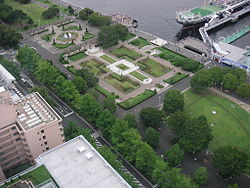
Yamashita Park
Photo by 外国人Wikimedia CommonsCC BY 3.0

6 min of listening · Section 1 of 5: Welcome to Yamashita Park

Prefer reading? The full guide is below

Here in person? Walk on with Mappu

This audio guide tells one place’s story. Walk Mode keeps going as you walk:

  • It knows where you are and talks about what’s in front of you, not only these chapters.
  • It takes you on to the next sight and follows what interests you.
  • Ask about anything you see, and it answers on the spot.
  • Your phone stays in your pocket.

A 2-hour live walk with Mappu, €4.99.

50 credits from the Starter pack. One-time purchase, no subscription.

Self-guided audio walk. No guide accompanies you. Not affiliated with the sites.

Keep exploring

Discover more places in Mappu.

Yamashita Park • Section 1 of 5

Yamashita Park: is there a free audio guide?

Quick answer. Yes. Mappu’s Yamashita Park audio guide (Yokohama, Japan) is free in your browser: 5 sections and about 6 minutes of listening, in 8 languages. It covers “Yamashita Park: A Park Built from Rubble”, “Yamashita Park and the Old Foreign Settlement Waterfront” and “Yamashita Park: Monuments, Gifts and Songs”. In the Mappu app, Walk Mode narrates the places around you as you move and answers your follow-up questions.

Yamashita Park map

Mappu's own map of the place, with the paths and entrances OpenStreetMap shows around it.

Yamashita Park mapThe place on the map, with the guide's point marked.

Yamashita Park: what does the audio guide cover?

  1. 01

    Welcome to Yamashita Park

    Welcome to Yamashita Park, known in Japanese as 山下公園, a long green promenade on the edge of Yokohama Port, in the Yamashita district of Naka Ward. Picture a broad ribbon of lawns, flower beds and monuments running along the water, with ships, piers and the harbor itself as your backdrop. It covers about 7.4 hectares, and it is the kind of park where the main attraction is simply the sea. Here is the twist: this ground is not natural shoreline. Yamashita Park was built on land that was created from the wreckage of a disaster. Over the next few minutes we will walk through that story, then through the monuments and gifts that give the park its personality, and finally through the park's more recent chapters. To reach it by train, the Minatomirai Line's Motomachi-Chukagai station is the closest, with exit 4 about three minutes away on foot. So take a slow breath of harbor air, and let's begin.

  2. 02

    Yamashita Park: A Park Built from Rubble

    On the first of September in 1923, the Great Kanto earthquake struck, and Yokohama was devastated. Fires broke out across the city, and the foreign-style buildings of the Yamashita district collapsed. Afterward, the city had mountains of debris and nowhere to put it. The answer was the sea just in front of the old waterfront street. Burned earth, rubble from the long stairway at Motomachi, and charred bricks from Yamashita were tipped into the water to make new land, and many citizens joined the work by pulling handcarts. The seawall work began in 1925, and the park was completed and opened in March of 1930. Once the fill was in place, it was covered with good soil so that a garden could grow on top of the ruins. Yamashita Park is recognized as the first seaside urban park in Japan, created as part of the earthquake reconstruction. Even the name has a little story. The city of Yokohama proposed calling it Kaigan Park, meaning Seaside Park, but the government's choice, Yamashita Park, won out. The design was the work of the Home Ministry's Reconstruction Bureau, which widened the old waterfront street into a new seaside promenade.

  3. 03

    Yamashita Park and the Old Foreign Settlement Waterfront

    The idea of a seaside walk here is older than the park. After Yokohama opened as a port, the Yamashita area became a foreign settlement, where foreign residents were granted land. Its shoreline was a promenade lined with clubs and hotels for the people who lived there. Known in Japanese as Kaigan-dori, it was called the Bund in English. Even as the port filled with harbor facilities in the later nineteenth century, this was a place where people could still stand right next to the sea. That heritage is still tucked into the address system: the street numbers given to plots in Yamashita-cho back then are still in use today. The park's first main gate was placed in the middle of its southern side, facing the Hotel New Grand. And look for a small bridge beside the ship Hikawa Maru. In the early days, the sunken flower bed area was a boat basin, and that little bridge is a trace of it.

  4. 04

    Yamashita Park: Monuments, Gifts and Songs

    Yamashita Park is a gallery of memorials, and each one carries a story. The Guardian of Water, a sculpture by Donal Hord, was a gift from Yokohama's sister city, San Diego, in 1960. The Girl in Red Shoes statue recalls a children's song that generations of Japanese listeners know by heart. Nearby stands a monument inscribed with the words of the song about a seagull sailor. At the park's western end rises the Indian Water Tower, presented in 1937 by the Indian Association in Japan. It was designed by Washizu Masa, the fourth head of Yokohama's building section, and the monument's intricate detailing makes it a valuable piece of modern Yokohama architecture. The park also has a living side. The rose garden is presented as a garden of the future, with varieties chosen for resistance to pests and disease, so that visitors can take ideas home for their own gardens. Look closely at the roses as you walk by, and imagine the history of the rose passed from past to future.

  5. 05

    Before You Head Off from Yamashita Park

    Yamashita Park has been a stage for celebrations and a canvas for change. In March of 1935, a reconstruction exposition was held here to mark the city's recovery. Roughly three million, two hundred twenty-nine thousand visitors came, about 4.6 times the population of Yokohama, and a pavilion where a whale was shown swimming became a favorite. For some 40 years after the park opened, proposals appeared to reclaim the sea in front of it for wharves. They never happened, and Yamashita Pier was built on adjoining land to the east instead. In 2005, the Yokohama Triennale spilled artworks into the park, and in April of 2023 a new complex called The Wharf House opened, with a cafe, restaurant, barbecue and a footbath. Excursion boats also leave from the park's pier, and the historic Osanbashi Pier is nearby. Before you go, walk a little farther along the water and ask what is beneath your feet. Then notice what the harbor looks like from here, and how it differs from the view you had when you arrived.

About this guide

AI-generated from 6 sources; checked automatically and last updated on October 31, 2026. Verify tickets and opening hours on the official site. Independent guide by Mappu. Not affiliated with or endorsed by the site or its managers.

Run a travel site or blog? Embed this audio guide for free.

Walk on from here

This place is stop 1 of 4 of a self-guided walk: Yamashita Park to Chinatown, Yokohama. About 1.2 km and 15 minutes on foot, plus about 23 minutes of listening.

Route map: walking on from Yamashita Park4 numbered stops in walking order. Stop 1: Yamashita Park; Stop 2: Yokohama Marine Tower; Stop 3: Ma Zhu Temple; Stop 4: Yokohama Chinatown.Stop 1: Yamashita Park1Stop 2: Yokohama Marine Tower2Stop 3: Ma Zhu Temple3Stop 4: Yokohama Chinatown4
Distances are estimates along the walking route, from OpenStreetMap.

Indicative route. While you walk, watch where you're going, mind the traffic and follow local signs and rules. The map is an aid, not a safety guide. Terms

  1. Yamashita ParkThis guide

    about 0.4 km · about 5 min on foot

  2. Yokohama Marine Tower

    about 0.6 km · about 8 min on foot

  3. Ma Zhu Temple

    about 0.2 km · about 3 min on foot

  4. Yokohama Chinatown
Photo attribution

Walk Mode, in the free Mappu app: 2 hours for 50 credits (€4.99 Starter pack)

See the whole walk

Planning a trip to Yokohama?

Get your plan

Mappu sketches your days free in the chat, no account needed. Then take the full plan with you:

  • Weekend trip, €9.99: Your day-by-day plan plus 2 live walks
  • Save your trip’s free guides on your phone in the Mappu app: they play with no signal
See the trip packs

Already going? The 2-hour live walk in Yokohama is €4.99

Plan your trip on a map and get an audio guide for almost any place nearby: just tap it on the Mappu map.

Common questions

Yamashita Park: how long is the free audio guide?

About 6 minutes of listening in 5 sections: “Welcome to Yamashita Park”, “Yamashita Park: A Park Built from Rubble”, “Yamashita Park and the Old Foreign Settlement Waterfront”, “Yamashita Park: Monuments, Gifts and Songs”, and “Before You Head Off from Yamashita Park”.

Yamashita Park: what can I ask Mappu after the guide?

You can ask follow-up questions such as “How did the rubble from the Great Kanto earthquake end up becoming the ground beneath the park?” and keep asking in Mappu, with the guide connected to your map and trip plan.