Hanazono Shrine Audio Guide

The guardian shrine of Shinjuku's merchants, craftsmen and artists

Hanazono Jinja Shrine
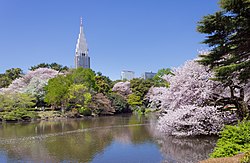
Photo by nnhWikimedia CommonsPublic domain

4 min of listening · Section 1 of 5: Welcome to Hanazono Jinja Shrine

Prefer reading? The full guide is below

Here in person? Walk on with Mappu

This audio guide tells one place’s story. Walk Mode keeps going as you walk:

  • It knows where you are and talks about what’s in front of you, not only these chapters.
  • It takes you on to the next sight and follows what interests you.
  • Ask about anything you see, and it answers on the spot.
  • Your phone stays in your pocket.

A 2-hour live walk with Mappu, €4.99.

50 credits from the Starter pack. One-time purchase, no subscription.

Self-guided audio walk. No guide accompanies you. Not affiliated with the sites.

Keep exploring

Discover more places in Mappu.

Hanazono Jinja Shrine • Section 1 of 5

Hanazono Jinja Shrine: is there a free audio guide?

Quick answer. Yes. Mappu’s Hanazono Shrine audio guide (Tokyo, Japan) is free in your browser: 5 sections and about 4 minutes of listening, in 8 languages. It covers “Hanazono Jinja Shrine and the Road to Edo”, “The Tori-no-Ichi Fair at Hanazono Jinja Shrine” and “Hanazono Jinja Shrine Between Two Tokyos”. In the Mappu app, Walk Mode narrates the places around you as you move and answers your follow-up questions.

Hanazono Shrine map

Mappu's own map of the place, with the paths and entrances OpenStreetMap shows around it.

Hanazono Shrine mapThe place on the map, with the guide's point marked.

Hanazono Jinja Shrine: what does the audio guide cover?

  1. 01

    Welcome to Hanazono Jinja Shrine

    Welcome to Hanazono Jinja Shrine, known in Japanese as 花園神社, a Shinto shrine in the heart of Tokyo's Shinjuku ward. You are standing in one of the busiest corners of the world's largest city, and yet this shrine has been part of the neighborhood for centuries. A word on what to expect from this guide. The surviving record about the shrine's buildings and layout is thin, so I will not describe them in detail. Instead, I will tell you what is well established: how Shinjuku grew up around it, the great November fair that fills its grounds, and the way it sits between very different Tokyo worlds. Think of it as a story about the shrine and its neighborhood rather than a tour of its architecture.

  2. 02

    Hanazono Jinja Shrine and the Road to Edo

    To understand this shrine, picture Shinjuku before the skyscrapers. In those days it was fairly far outside Edo, the city we now call Tokyo. The area began to develop when a new way station opened on the Ome Kaido and Koshu Kaido road, which served as a shortcut on the Nakasendo Highway, the route connecting Edo with Kyoto. Travelers needed lodging, merchants followed, and a shrine to watch over them all made sense. Hanazono Jinja Shrine came to be regarded as the most important shrine of Shinjuku, guarding the area and its inhabitants, merchants, craftsmen and artists. How old is it? Two accounts are told. One says the shrine was founded in the middle of the seventeenth century. The other says it was already worshiped as the central shrine of Naito Shinjuku before Tokugawa Ieyasu established the Edo Shogunate. Either way, by the Edo period it was already considered ancient.

  3. 03

    The Tori-no-Ichi Fair at Hanazono Jinja Shrine

    If you can plan your visit for November, do it. On the days of the rooster in that month, Hanazono Jinja Shrine hosts the Tori-no-Ichi fair, and the grounds fill with crowds. Roughly 600,000 people come each year. The fair is held to commemorate the death of Prince Yamato Takeru, a legendary prince. The most famous purchase is the kumade, a decorative rake. Visitors buy one to wish for a thriving business, as if the rake could sweep good fortune toward their door. The fair is also known for its amusement booths, which are among the best-known sights of the shrine. So for a few evenings every year, a place of quiet prayer becomes one of Tokyo's liveliest festival scenes.

  4. 04

    Hanazono Jinja Shrine Between Two Tokyos

    Look around and you will notice how many different Tokyos meet here. The shrine stands in the same neighborhood as the venerable Isetan department store and the bustling Kabukicho district. Shinjuku itself became a center of Japanese counter culture in the 1960s. That mix suits a shrine said to guard artists as well as merchants and craftsmen. It is a relatively quiet place downtown, and people come here to relax and refresh themselves while the district roars on all sides.

  5. 05

    Before You Head Off

    Before you move on, take a moment to listen. Somewhere beyond the shrine's grounds is the hum of Shinjuku, a district that began as a humble stop on the road between Edo and Kyoto. As you wander, think about how much of that old story you can feel in a place that has watched travelers, merchants, artists and festival crowds come and go. And if you ever find yourself in Tokyo in November, a rooster day might show you the shrine at its most vivid. What will you notice first when you step back out into the streets?

About this guide

AI-generated from 6 sources; reviewed for accuracy and last updated on October 31, 2026. Verify tickets and opening hours on the official site. Independent guide by Mappu. Not affiliated with or endorsed by the site or its managers.

Run a travel site or blog? Embed this audio guide for free.

Walk on from here

This place is stop 3 of 5 of a self-guided walk: Kabukicho to Shinjuku Gyoen, Tokyo. About 1.7 km and 25 minutes on foot, plus about 29 minutes of listening.

Route map: walking on from Hanazono Jinja Shrine5 numbered stops in walking order. Stop 1: Kabukichō; Stop 2: Shinjuku Golden Gai; Stop 3: Hanazono Jinja Shrine; Stop 4: Shinjuku Ni-chōme; Stop 5: Shinjuku Gyoen.Stop 1: Kabukichō1Stop 2: Shinjuku Golden Gai2Stop 3: Hanazono Jinja Shrine3Stop 4: Shinjuku Ni-chōme4Stop 5: Shinjuku Gyoen5
Distances are estimates along the walking route, from OpenStreetMap.

Indicative route. While you walk, watch where you're going, mind the traffic and follow local signs and rules. The map is an aid, not a safety guide. Terms

  1. Kabukichō

    about 0.4 km · about 6 min on foot

  2. Shinjuku Golden Gai

    about 0.1 km · about 2 min on foot

  3. Hanazono Jinja ShrineThis guide

    about 0.5 km · about 7 min on foot

  4. Shinjuku Ni-chōme

    about 0.6 km · about 8 min on foot

  5. Shinjuku Gyoen
Photo attribution

Walk Mode, in the free Mappu app: 2 hours for 50 credits (€4.99 Starter pack)

See the whole walk

Planning a trip to Tokyo?

Get your plan

Mappu sketches your days free in the chat, no account needed. Then take the full plan with you:

  • Weekend trip, €9.99: Your day-by-day plan plus 2 live walks
  • Save your trip’s free guides on your phone in the Mappu app: they play with no signal
See the trip packs

Already going? The 2-hour live walk in Tokyo is €4.99

Plan your trip

Photo attribution
  • Tokyo 3-Day Itinerary: Alex
  • Japan First Trip 10-Day Itinerary: Stefan K

Plan your trip on a map and get an audio guide for almost any place nearby: just tap it on the Mappu map.

Common questions

Hanazono Shrine: how long is the free audio guide?

About 4 minutes of listening in 5 sections: “Welcome to Hanazono Jinja Shrine”, “Hanazono Jinja Shrine and the Road to Edo”, “The Tori-no-Ichi Fair at Hanazono Jinja Shrine”, “Hanazono Jinja Shrine Between Two Tokyos”, and “Before You Head Off”.

Hanazono Shrine: what can I ask Mappu after the guide?

You can ask follow-up questions such as “How did the way station on the road between Edo and Kyoto shape the growth of Shinjuku?” and keep asking in Mappu, with the guide connected to your map and trip plan.