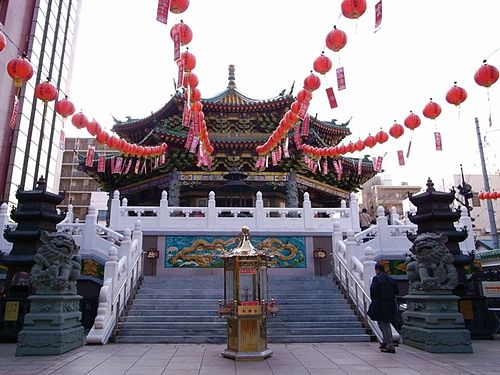
Hakone Shrine Audio Guide

Audio guide for Hakone Shrine

Hakone Shrine
Photo by AimaimyiWikimedia CommonsCC BY-SA 3.0

6 min of listening · Section 1 of 5: Welcome to Hakone Shrine

Prefer reading? The full guide is below

Here in person? Walk on with Mappu

This audio guide tells one place’s story. Walk Mode keeps going as you walk:

  • It knows where you are and talks about what’s in front of you, not only these chapters.
  • It takes you on to the next sight and follows what interests you.
  • Ask about anything you see, and it answers on the spot.
  • Your phone stays in your pocket.

A 2-hour live walk with Mappu, €4.99.

50 credits from the Starter pack. One-time purchase, no subscription.

Self-guided audio walk. No guide accompanies you. Not affiliated with the sites.

Keep exploring

Discover more places in Mappu.

Hakone Shrine • Section 1 of 5

Hakone Shrine: is there a free audio guide?

Quick answer. Yes. Mappu’s Hakone Shrine audio guide (Hakone, Japan) is free in your browser: 5 sections and about 6 minutes of listening, in 8 languages. It covers “Hakone Shrine: Mountain Origins and a Dragon Legend”, “Hakone Shrine and the Fugitive Warlord” and “Hakone Shrine and the Old Tokaido Road”. In the Mappu app, Walk Mode narrates the places around you as you move and answers your follow-up questions.

Hakone Shrine map

Mappu's own map of the place, with the paths and entrances OpenStreetMap shows around it.

Hakone Shrine mapThe place on the map, with the guide's point marked.

Hakone Shrine: what does the audio guide cover?

  1. 01

    Welcome to Hakone Shrine

    Welcome to Hakone Shrine, known in Japanese as Hakone Jinja, or by its local name, 箱根神社. You are on the shore of Lake Ashi, in the town of Hakone in Kanagawa Prefecture. Here a Shinto shrine sits between deep forest and open water. If the lake is the natural symbol of Hakone, this shrine is often described as its spiritual heart. The shrine is also called Hakone Gongen, and it honors three kami who are known together as the Hakone Ōkami, the great gods of Hakone. People have come here for centuries, from samurai and rulers to ordinary travelers, and many still come to pray for safe journeys. Over the next few stops we will follow the shrine's origins, a legend of a nine-headed dragon, a fugitive warlord who found shelter here, and the way travelers on a famous road shaped the shrine's fortunes. We will finish with the sights you can take in as you walk the grounds. Take a breath of cedar-scented air and let's begin.

  2. 02

    Hakone Shrine: Mountain Origins and a Dragon Legend

    Shrine tradition says Hakone Shrine was founded in the year 757, during the reign of Emperor Kōshō. The founder is remembered as the priest Mangan, a monk devoted to the ascetic path. Legend says he built a simple sanctuary for the gods of the nearby mountains, which people in this region had revered since ancient times. The first shrine did not stand on the lakeshore. It was high on the summit of Komagatake, one of the peaks of Mount Hakone. One local account holds that it began as a place tied to the dead, because people believed souls went to spend eternity on the high mountain tops. Then comes the dragon. Tradition credits Priest Mangan with pacifying a nine-headed dragon that lived at the bottom of Lake Ashi. This is a legend, not a documented event. But it shows how people here understood the lake and the mountains: as powerful places, to be treated with respect and with prayer.

  3. 03

    Hakone Shrine and the Fugitive Warlord

    Now to one of the best-documented stories connected to Hakone Shrine. In the Genpei War, Minamoto no Yoritomo was beaten at the Battle of Ishibashiyama. According to the medieval chronicle known as the Azuma Kagami, he turned to the kami of Hakone for guidance and shelter. The gamble paid off. Yoritomo went on to defeat the ruling Taira clan and founded the Kamakura shogunate, which lasted close to 150 years. He never forgot the refuge he had been given. He and his successors made regular pilgrimages to Hakone, and they encouraged their retainers to do the same. That royal favor lifted the shrine's standing in the Kamakura period, which ran from 1185 to 1333. The shrine's prestige lasted long after the samurai age. In 1875 it was listed among the third-class shrines of national significance, in the ranking system of the time. Today the small museum on the grounds displays shrine treasures, including five items ranked as national Important Cultural Properties.

  4. 04

    Hakone Shrine and the Old Tokaido Road

    When the Edo period began in 1603, the Tokaido, the great road linking Edo, today's Tokyo, with Kyoto, passed through Hakone's mountains. The new Tokugawa shogunate wanted a checkpoint on that road, and the plan was to place it very close to the shrine grounds. By then the shrine's influence was so great that its priests managed to resist the plan. The barrier was built farther along the road instead. For travelers, that was good news. A detour to the shrine let them pray for protection before or after crossing the rugged terrain, and the shrine became known as a place to ask for safe passage. That reputation still draws visitors today. If you want to see how the road was policed, the Hakone Checkpoint Museum nearby is a faithful reconstruction of the checkpoint where travelers on the old highway were once inspected. It is a good companion to the shrine.

  5. 05

    Before You Head Off

    As you explore, notice the shape of the grounds. Past the red torii gate, which rises from the lake, a steep stone stairway lined with lanterns climbs toward the main hall. Old cedar trees shade the way, and small sub-shrines are tucked among them. That red gate is known as the Heiwa no Torii, the Peace Gate. It was erected in 1952 to commemorate the San Francisco Peace Treaty. It is one of Hakone's most photographed sights, especially on a clear day when Mount Fuji shows in the distance. Lines for photos can be long, so give yourself a little patience. Once you have the picture, linger a moment longer. Listen to the water, look up the lantern-lined stairs, and think about the people who walked here: a defeated warlord, travelers worried about the road ahead, and the pilgrims who followed. Which part of the shrine's story will you carry with you?

About this guide

AI-generated from 6 sources; checked automatically and last updated on October 31, 2026. Verify tickets and opening hours on the official site. Independent guide by Mappu. Not affiliated with or endorsed by the site or its managers.

Run a travel site or blog? Embed this audio guide for free.

Planning a trip to Hakone?

Get your plan

Mappu sketches your days free in the chat, no account needed. Then take the full plan with you:

  • Weekend trip, €9.99: Your day-by-day plan plus 2 live walks
  • Save your trip’s free guides on your phone in the Mappu app: they play with no signal
See the trip packs

Already going? The 2-hour live walk in Hakone is €4.99

Useful for your visit

Tickets, tours and practical extras for this trip, from Mappu's partners.

Partner links (Airalo, Amazon, Booking.com, GetYourGuide, Klook, Tiqets, Trip.com, Viator, Welcome Pickups): if you book or buy through them, Mappu may earn a commission, at no extra cost to you.

Plan your trip on a map and get an audio guide for almost any place nearby: just tap it on the Mappu map.

Common questions

Hakone Shrine: how long is the free audio guide?

About 6 minutes of listening in 5 sections: “Welcome to Hakone Shrine”, “Hakone Shrine: Mountain Origins and a Dragon Legend”, “Hakone Shrine and the Fugitive Warlord”, “Hakone Shrine and the Old Tokaido Road”, and “Before You Head Off”.

Hakone Shrine: what can I ask Mappu after the guide?

You can ask follow-up questions such as “What does the legend of Priest Mangan and the nine-headed dragon tell us about how people saw Lake Ashi?” and keep asking in Mappu, with the guide connected to your map and trip plan.