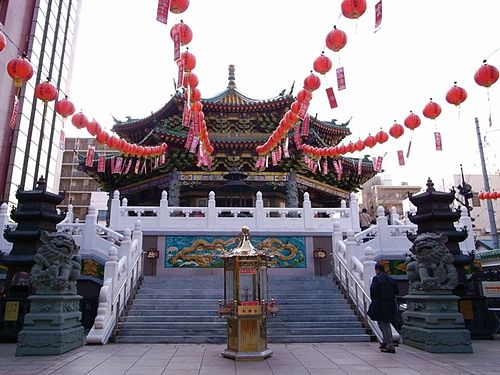
Kamakura-gū Audio Guide

A prince, a cave and a shrine of loyalty

Kamakura-Gu Shrine
Photo by UrashimataroWikimedia CommonsPublic domain

5 min of listening · Section 1 of 5: Welcome to Kamakura-Gu Shrine

Prefer reading? The full guide is below

Here in person? Walk on with Mappu

This audio guide tells one place’s story. Walk Mode keeps going as you walk:

  • It knows where you are and talks about what’s in front of you, not only these chapters.
  • It takes you on to the next sight and follows what interests you.
  • Ask about anything you see, and it answers on the spot.
  • Your phone stays in your pocket.

A 2-hour live walk with Mappu, €4.99.

50 credits from the Starter pack. One-time purchase, no subscription.

Self-guided audio walk. No guide accompanies you. Not affiliated with the sites.

Keep exploring

Discover more places in Mappu.

Kamakura-Gu Shrine • Section 1 of 5

Kamakura-Gu Shrine: is there a free audio guide?

Quick answer. Yes. Mappu’s Kamakura-gū audio guide (Kamakura, Japan) is free in your browser: 5 sections and about 5 minutes of listening, in 8 languages. It covers “Kamakura-Gu Shrine and Prince Morinaga”, “The Cave of Kamakura-Gu Shrine” and “Torchlight Noh at Kamakura-Gu Shrine”. In the Mappu app, Walk Mode narrates the places around you as you move and answers your follow-up questions.

Kamakura-gū map

Mappu's own map of the place, with the paths and entrances OpenStreetMap shows around it.

Kamakura-gū mapThe place on the map, with the guide's point marked.

Kamakura-Gu Shrine: what does the audio guide cover?

  1. 01

    Welcome to Kamakura-Gu Shrine

    Welcome to Kamakura-Gu Shrine, written 鎌倉宮 in Japanese, a Shinto shrine in Kamakura, in Kanagawa Prefecture. This guide focuses on what gives the place its meaning: the story of the prince it honors, the way the shrine came to exist, and the traditions that still live here. It does not walk you through every building and corner. Most visitors to Kamakura head for the Great Buddha or the grand shrine of Tsurugaoka Hachimangu. This shrine is quieter and more personal. It was built to remember a single man, a young imperial prince whose short life was caught up in the collapse of one government and the rise of another. So let your pace slow a little. Over the next few minutes you will meet Prince Morinaga, learn why a shrine was raised in his name centuries after his death, and hear about the torchlit theater that brings the grounds to life in autumn.

  2. 02

    Kamakura-Gu Shrine and Prince Morinaga

    The shrine exists for Prince Morinaga. He began as a young man in ascetic training at Mount Hiei, the great mountain monastery near Kyoto. He later became a military leader during the years when the Kamakura shogunate fell. That is quite a journey, from a life of religious discipline to the front line of a changing Japan. His story ends here in Kamakura. His chief rival was Ashikaga Takauji, who had him arrested in 1334 on a pretext. He was first held as a prisoner in Kyoto and then sent on to Kamakura. He died at the age of 28, a loss that is still remembered as a solemn chapter in imperial history. The shrine itself was founded much later. Emperor Meiji ordered it erected in 1869 to enshrine the prince's spirit. So you are standing in a place where a medieval tragedy was honored by a new imperial age, more than 500 years after the events.

  3. 03

    The Cave of Kamakura-Gu Shrine

    Here is what makes this shrine more than a memorial. It stands on the very ground where Prince Morinaga was imprisoned and, in the end, executed. Ashikaga Tadayoshi, the younger brother of Takauji, held the prince captive for nine months in a small cave. The cave is at the site of the present shrine, and it still exists in the rockface behind the shrine. Visitors can see it today. The ending came in 1335. Tadayoshi lost a battle to Hojo Tokiyuki and was forced to retreat from Kamakura. Before leaving, he gave the order for the prince's execution. Prince Morinaga was beheaded on July twenty-third, 1335. Stand in front of that rock and imagine nine months of captivity in the shadow of the hills. It makes the history feel very close.

  4. 04

    Torchlight Noh at Kamakura-Gu Shrine

    Autumn is particularly special here. The shrine hosts the Kamakura Takigi Noh, a performance of Noh theater held under torchlight. Noh is one of Japan's oldest stage traditions, slow and stylized, and firelight suits it. Flickering flames and deepening evening shadows make a fitting setting for a place with such a solemn past. The shrine also keeps a hall with calligraphy by prominent figures of Japanese history, among them Katsu Kaishu, Takahashi Deishu and Yamaoka Tesshu. These were notable men of the nineteenth century, the era in which this shrine was founded. Their brushwork shows how highly the prince's memory was regarded as Japan entered a new age. It is a nice reminder that a shrine is not frozen in time. Loyalty, remembrance and performance are all still part of what happens here.

  5. 05

    Before You Head Off from Kamakura-Gu Shrine

    Kamakura was the seat of Japan's first military government, and later it became a favorite destination for townspeople traveling from Edo. This shrine adds a more intimate chapter, the story of a prince who stood against the rising power of the Ashikaga family and paid for it with his life. As you leave, notice how many layers sit in one small place. There is a medieval tragedy, an imperial decision made in 1869, and a stage tradition that still burns bright in autumn. Think about how a shrine can turn a painful moment into a lasting act of remembrance. If you feel curious, let the rest of Kamakura widen the picture. The temples and shrines nearby tell other parts of the same long story, and this prince's story is one of the more human ones.

About this guide

AI-generated from 6 sources; checked automatically and last updated on October 31, 2026. Verify tickets and opening hours on the official site. Independent guide by Mappu. Not affiliated with or endorsed by the site or its managers.

Run a travel site or blog? Embed this audio guide for free.

Walk on from here

This place is stop 3 of 4 of a self-guided walk: Kencho-ji to Hokoku-ji, Kamakura. About 3.5 km and 45 minutes on foot, plus about 24 minutes of listening.

Route map: walking on from Kamakura-Gu Shrine4 numbered stops in walking order. Stop 1: Kenchō-ji; Stop 2: Tsurugaoka Hachimangū; Stop 3: Kamakura-Gu Shrine; Stop 4: Hōkoku Temple.Stop 1: Kenchō-ji1Stop 2: Tsurugaoka Hachimangū2Stop 3: Kamakura-Gu Shrine3Stop 4: Hōkoku Temple4
Distances are estimates along the walking route, from OpenStreetMap.

Indicative route. While you walk, watch where you're going, mind the traffic and follow local signs and rules. The map is an aid, not a safety guide. Terms

  1. Kenchō-ji

    about 1.0 km · about 14 min on foot

  2. Tsurugaoka Hachimangū

    about 1.3 km · about 18 min on foot

  3. Kamakura-Gu ShrineThis guide

    about 1.1 km · about 15 min on foot

  4. Hōkoku Temple
Photo attribution

Walk Mode, in the free Mappu app: 2 hours for 50 credits (€4.99 Starter pack)

See the whole walk

Planning a trip to Kamakura?

Get your plan

Mappu sketches your days free in the chat, no account needed. Then take the full plan with you:

  • Weekend trip, €9.99: Your day-by-day plan plus 2 live walks
  • Save your trip’s free guides on your phone in the Mappu app: they play with no signal
See the trip packs

Already going? The 2-hour live walk in Kamakura is €4.99

Plan your trip on a map and get an audio guide for almost any place nearby: just tap it on the Mappu map.

Common questions

Kamakura-gū: how long is the free audio guide?

About 5 minutes of listening in 5 sections: “Welcome to Kamakura-Gu Shrine”, “Kamakura-Gu Shrine and Prince Morinaga”, “The Cave of Kamakura-Gu Shrine”, “Torchlight Noh at Kamakura-Gu Shrine”, and “Before You Head Off from Kamakura-Gu Shrine”.

Kamakura-gū: what can I ask Mappu after the guide?

You can ask follow-up questions such as “What was Prince Morinaga's life like, from his training at Mount Hiei to his role in the fall of the Kamakura shogunate?” and keep asking in Mappu, with the guide connected to your map and trip plan.