Hase-dera Audio Guide

Audio guide for Hase-dera

Hase-dera
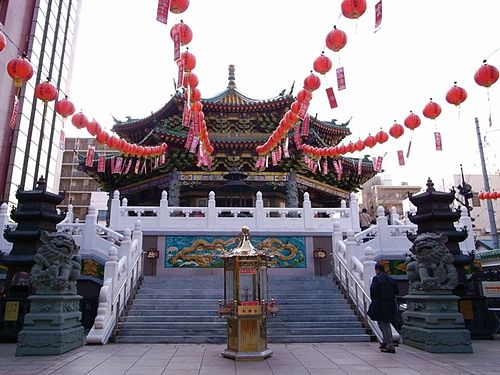
Photo by 663highlandWikimedia CommonsCC BY-SA 4.0

6 min of listening · Section 1 of 5: Welcome to Hase-dera temple

Prefer reading? The full guide is below

Here in person? Walk on with Mappu

This audio guide tells one place’s story. Walk Mode keeps going as you walk:

  • It knows where you are and talks about what’s in front of you, not only these chapters.
  • It takes you on to the next sight and follows what interests you.
  • Ask about anything you see, and it answers on the spot.
  • Your phone stays in your pocket.

A 2-hour live walk with Mappu, €4.99.

50 credits from the Starter pack. One-time purchase, no subscription.

Self-guided audio walk. No guide accompanies you. Not affiliated with the sites.

Keep exploring

Discover more places in Mappu.

Hase-dera • Section 1 of 5

Hase-dera: is there a free audio guide?

Quick answer. Yes. Mappu’s Hase-dera audio guide (Kamakura, Japan) is free in your browser: 5 sections and about 6 minutes of listening, in 8 languages. It covers “Hase-dera temple: Old Roots Before the Shoguns”, “Hase-dera temple: The Giant Kannon and the View” and “Hase-dera temple: Gates, Halls and a Pagoda”. In the Mappu app, Walk Mode narrates the places around you as you move and answers your follow-up questions.

Hase-dera map

Mappu's own map of the place, with the paths and entrances OpenStreetMap shows around it.

Hase-dera mapThe place on the map, with the guide's point marked.

Hase-dera: what does the audio guide cover?

  1. 01

    Welcome to Hase-dera temple

    Welcome to Hase-dera temple, tucked into the hillside in the Hase district of Kamakura, in Kanagawa Prefecture. Its formal name is Kaikozan Jishoin Hasedera, and in Japanese it is written 長谷寺. It is an independent temple with Pure Land Buddhist roots, and it looks out over the ocean and the town below. This guide sticks to what is well documented about the temple: its traditional beginnings, its great wooden statue of Kannon, its main buildings, and the seaside setting around it. Along the way you will hear where old tradition ends and recorded history begins. As you climb through the precinct, notice how it unfolds in layers. The lower grounds lead to the upper precinct, where the main hall and a lookout over the sea and the city wait for you. It is one of the best-loved scenic spots in Kamakura, so let's start from the beginning.

  2. 02

    Hase-dera temple: Old Roots Before the Shoguns

    Kamakura is famous as the seat of the shogunate, which ruled from 1192 to 1333. Hase-dera temple is older than that. It is said to have been established in 736, and it is believed to have been founded in the mid-eighth century, in the Nara period, long before the warrior government arrived on this coast. Tradition links the temple with a monk named Tokudo Shonin, the same figure said to have founded its namesake temple in Nara. That attribution rests on oral tradition rather than verified records, so treat it as a cherished story and not a documented fact. One way to think about it is that the temple was already ancient when Kamakura rose to power. The new military rulers built their capital around a sacred landscape that was already here, and the hillside above Hase has been part of that landscape for a very long time.

  3. 03

    Hase-dera temple: The Giant Kannon and the View

    The heart of Hase-dera temple is its principal image, an eleven-faced Kannon Bodhisattva, the Japanese form of Avalokiteshvara, the bodhisattva of compassion. The statue stands 9.18 meters tall, which makes it one of the largest wooden statues in Japan. Imagine looking up at a carved wooden figure taller than a three-story building's first two floors, with a crown of extra faces above the main one. The statue is housed in the Kannon-do Hall, which stands in the upper precinct alongside other main halls. Part of the pleasure of this site is the climb itself. By the time you reach the hall, you are high enough above the town to turn around and take in the view. A lookout tower in the upper precinct gives you that view of the ocean and the city of Kamakura, and it is counted among the finest scenic spots in town. In the garden, different flowers bloom from season to season, so the temple looks different depending on when you come.

  4. 04

    Hase-dera temple: Gates, Halls and a Pagoda

    The buildings you see at Hase-dera temple belong to later centuries than the temple's legendary origins, and each one has its own date. The Niomon Gate was rebuilt in 1889 and houses two giant guardian statues. They stand watch at the entrance to the sacred space, so look up at them as you pass. The Honbo, the head priest's office, was built entirely of cypress in 1924. It is listed as an Important Cultural Property, a reminder that heritage in Japan includes buildings from the modern era as well as the very old. The Five-Story Pagoda was completed in 1954, which makes it the youngest of the three. Together they show a temple that has been rebuilt and renewed over the generations, with the old sacred site continuing in new timber.

  5. 05

    Before You Head Off from Hase-dera temple

    Before you leave Hase-dera temple, take one more look at the sea from the upper precinct. The hillside, the hall, the great Kannon and the water below make up the whole picture. The temple sits in a neighborhood rich in sights. Just a short walk away are Kamakura's Great Buddha, Kosokuji Temple, and the sandy shores of Yuigahama Beach. You can follow a temple visit with a seaside stroll, and after sunset the area quiets down into a peaceful evening. As you wander, ask yourself which parts of the temple feel ancient and which feel renewed. The gate, the cypress hall and the pagoda each carry a different date, and the story of the hill behind them is much older still.

About this guide

AI-generated from 6 sources; checked automatically and last updated on October 31, 2026. Verify tickets and opening hours on the official site. Independent guide by Mappu. Not affiliated with or endorsed by the site or its managers.

Run a travel site or blog? Embed this audio guide for free.

Walk on from here

The nearest places with a Mappu audio guide, in walking order: about 2.0 km and 25 minutes on foot in all.

Route map: walking on from Hase-dera3 numbered stops in walking order. Stop 1: Hase-dera; Stop 2: Kōtoku-in; Stop 3: Yuigahama.Stop 1: Hase-dera1Stop 2: Kōtoku-in2Stop 3: Yuigahama3
Distances are estimates: the straight line between places plus 30%.

Indicative route. While you walk, watch where you're going, mind the traffic and follow local signs and rules. The map is an aid, not a safety guide. Terms

  1. Hase-deraThis guide

    about 0.7 km · about 9 min on foot

  2. Kōtoku-in

    about 1.3 km · about 17 min on foot

  3. Yuigahama
Photo attribution

Walk Mode, in the free Mappu app: 2 hours for 50 credits (€4.99 Starter pack)

Planning a trip to Kamakura?

Get your plan

Mappu sketches your days free in the chat, no account needed. Then take the full plan with you:

  • Weekend trip, €9.99: Your day-by-day plan plus 2 live walks
  • Save your trip’s free guides on your phone in the Mappu app: they play with no signal
See the trip packs

Already going? The 2-hour live walk in Kamakura is €4.99

Plan your trip on a map and get an audio guide for almost any place nearby: just tap it on the Mappu map.

Common questions

Hase-dera: how long is the free audio guide?

About 6 minutes of listening in 5 sections: “Welcome to Hase-dera temple”, “Hase-dera temple: Old Roots Before the Shoguns”, “Hase-dera temple: The Giant Kannon and the View”, “Hase-dera temple: Gates, Halls and a Pagoda”, and “Before You Head Off from Hase-dera temple”.

Hase-dera: what can I ask Mappu after the guide?

You can ask follow-up questions such as “How does Hase-dera temple's traditional founding story connect it to its namesake temple in Nara?” and keep asking in Mappu, with the guide connected to your map and trip plan.