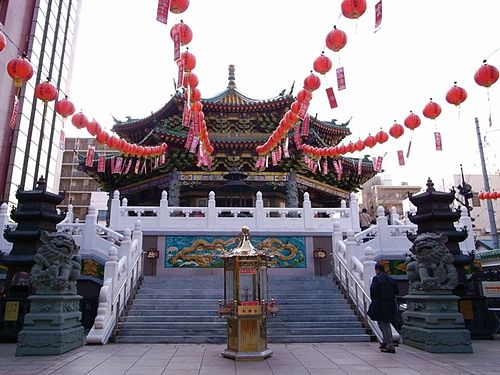
Fujisan Shimomiya Omuro Sengen Shrine Audio Guide

The lower shrine of Shimoyoshida, where Mount Fuji worship meets neighborhood life

Fujisan Shimomiya Omuro Sengen Shrine
Photo by Supanut ArunoprayoteWikimedia CommonsCC BY 4.0

5 min of listening · Section 1 of 5: Welcome to Fujisan Shimomiya Omuro Sengen Shrine

Prefer reading? The full guide is below

Here in person? Walk on with Mappu

This audio guide tells one place’s story. Walk Mode keeps going as you walk:

  • It knows where you are and talks about what’s in front of you, not only these chapters.
  • It takes you on to the next sight and follows what interests you.
  • Ask about anything you see, and it answers on the spot.
  • Your phone stays in your pocket.

A 2-hour live walk with Mappu, €4.99.

50 credits from the Starter pack. One-time purchase, no subscription.

Self-guided audio walk. No guide accompanies you. Not affiliated with the sites.

Keep exploring

Discover more places in Mappu.

Fujisan Shimomiya Omuro Sengen Shrine • Section 1 of 5

Fujisan Shimomiya Omuro Sengen Shrine: is there a free audio guide?

Quick answer. Yes. Mappu’s Fujisan Shimomiya Omuro Sengen Shrine audio guide (Fuji Five Lakes, Japan) is free in your browser: 5 sections and about 5 minutes of listening, in 8 languages. It covers “A Name With Layers”, “Yabusame and the Hoofprint Oracle” and “Guardian of the Neighborhood”. In the Mappu app, Walk Mode narrates the places around you as you move and answers your follow-up questions.

Fujisan Shimomiya Omuro Sengen Shrine map

Mappu's own map of the place, with the paths and entrances OpenStreetMap shows around it.

Fujisan Shimomiya Omuro Sengen Shrine mapThe place on the map, with the guide's point marked.

Fujisan Shimomiya Omuro Sengen Shrine: what does the audio guide cover?

  1. 01

    Welcome to Fujisan Shimomiya Omuro Sengen Shrine

    Welcome to a shrine that locals simply call Shimo-Sengen. It stands in Shimoyoshida, in Fujiyoshida City, on the Fuji Five Lakes side of Mount Fuji. It is a neighborhood shrine, and it is also a place of Mount Fuji worship, dedicated to the goddess Konohanasakuya-hime-no-Mikoto. A quick word on what to expect. The shrine's buildings and layout are not documented here, so this guide does not describe them. Instead we will follow the stories that make the shrine memorable: a name that has confused people for centuries, a mounted archery festival with a most unusual way of telling fortunes, and a role as the guardian of the local community. One point of orientation. This is not the better-known Fuji Omuro Sengen Shrine near Lake Kawaguchi. The two are related by name and by history, and we will untangle that in a moment.

  2. 02

    A Name With Layers

    The full name sounds like a mouthful, but each part of it points to a story. The shrine was formerly known as Fuji San Shimomiya Sengen Shrine. The word Shimomiya means lower shrine. It was used in relation to the Komuro Sengen Shrine at the second station on Mount Fuji, which sits higher up and is the former main shrine of today's Fuji Omuro Asama Shrine. People around Lake Kawaguchi also used the word to name the Fuji Yoshida area, which set it apart from Kawaguchi Sengen Shrine. Then the names begin to tangle. Historical records show that in older times Shimoyashima referred to the Kitaguchi Hongu Fuji Sengen Shrine, not to this shrine. A Yoshida Route map from 1680 labels the grounds of today's Kitaguchi Hongu as Shimoyashima. A provincial gazetteer of 1814 calls the second station shrine Kami Sengen, the Kitaguchi shrine Shimoyashima, and the shrine at Shimoyoshida Shimomiya Sengen. In the Meiji period the second station shrine was renamed Komuro Sengen Shrine, and that deepened the confusion between Shimoyashima and Shimomiya. So when you read the plaque or hear the nickname Shimo-Sengen, remember that you are looking at the lower shrine in a family of Mount Fuji shrines.

  3. 03

    Yabusame and the Hoofprint Oracle

    The shrine's best-known event is its Yabusame festival, held on September 19, the day of the Reisai, the shrine's annual festival. Yabusame is the old art of shooting arrows from a galloping horse. The festival is designated an Intangible Folk Cultural Property of Yamanashi Prefecture. The festival is also famous for something stranger and gentler: horse hoof divination, known in Japanese as batei uranai. Fortunes are read from the hoofprints of a horse, so the animal does more here than carry a rider. It helps the community look ahead. Tradition ties the shrine's founding to the year 807, and the horse remains a living part of its identity. If your visit falls near the middle of September, the festival is worth planning around.

  4. 04

    Guardian of the Neighborhood

    This shrine is a local one, a place where Mount Fuji worship and the worship of the local tutelary deity come together. It is dedicated to Konohanasakuya-hime-no-Mikoto, the deity associated with Mount Fuji worship, and it has long been cherished as the ujigami, the guardian deity that watches over the people living in the area. That gives the visit a different feeling from a famous pilgrimage site. Here the mountain's sacred presence comes down into the streets of Shimoyoshida and into everyday life. Look out for two more living traditions mentioned in connection with the shrine: a sacred horse, and a katsura tree designated by the city. Both are reasons to slow down and look around. In modern times the shrine has been classed as a Beppyo Shrine under the Association of Shinto Shrines. Before that, under the old system of ranked shrines, it held the rank of Gosha, a village shrine.

  5. 05

    Before You Head Off

    Before you leave, think about how the shrine's names fit together: Shimomiya, Shimo-Sengen, and the higher shrine that gave rise to the word lower. Ask yourself what it means to be the lower shrine of a mountain. And if you can, imagine the sound of hooves on a September day. There is more of Fuji's shrine world waiting around Fujiyoshida and the lakes.

About this guide

AI-generated from 3 sources; reviewed for accuracy and last updated on November 4, 2026. Verify tickets and opening hours on the official site. Independent guide by Mappu. Not affiliated with or endorsed by the site or its managers.

Run a travel site or blog? Embed this audio guide for free.

Walk on from here

The nearest places with a Mappu audio guide, in walking order: about 1.1 km and 15 minutes on foot in all.

Route map: walking on from Fujisan Shimomiya Omuro Sengen Shrine3 numbered stops in walking order. Stop 1: Fujisan Shimomiya Omuro Sengen Shrine; Stop 2: Arakura Fuji Sengen Shrine; Stop 3: Arakurayama Sengen Park.Stop 1: Fujisan Shimomiya Omuro Sengen Shrine1Stop 2: Arakura Fuji Sengen Shrine2Stop 3: Arakurayama Sengen Park3
Distances are estimates: the straight line between places plus 30%.

Indicative route. While you walk, watch where you're going, mind the traffic and follow local signs and rules. The map is an aid, not a safety guide. Terms

  1. Fujisan Shimomiya Omuro Sengen ShrineThis guide

    about 0.9 km · about 12 min on foot

  2. Arakura Fuji Sengen Shrine

    about 0.2 km · about 3 min on foot

  3. Arakurayama Sengen Park
Photo attribution

Walk Mode, in the free Mappu app: 2 hours for 50 credits (€4.99 Starter pack)

Planning a trip to Fuji Five Lakes?

Get your plan

Mappu sketches your days free in the chat, no account needed. Then take the full plan with you:

  • Weekend trip, €9.99: Your day-by-day plan plus 2 live walks
  • Save your trip’s free guides on your phone in the Mappu app: they play with no signal
See the trip packs

Already going? The 2-hour live walk in Fuji Five Lakes is €4.99

Plan your trip on a map and get an audio guide for almost any place nearby: just tap it on the Mappu map.

Common questions

Fujisan Shimomiya Omuro Sengen Shrine: how long is the free audio guide?

About 5 minutes of listening in 5 sections: “Welcome to Fujisan Shimomiya Omuro Sengen Shrine”, “A Name With Layers”, “Yabusame and the Hoofprint Oracle”, “Guardian of the Neighborhood”, and “Before You Head Off”.

Fujisan Shimomiya Omuro Sengen Shrine: what can I ask Mappu after the guide?

You can ask follow-up questions such as “What does the name Shimomiya mean, and how is this shrine connected to the Komuro Sengen Shrine at the second station of Mount Fuji?” and keep asking in Mappu, with the guide connected to your map and trip plan.