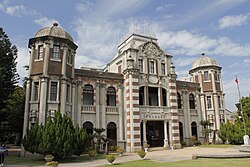
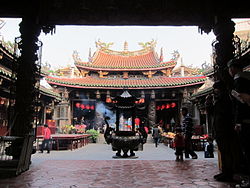
In 1973 the house took on a new life as the Lukang Folk Arts Museum. The buildings, the land, the furniture, the utensils and the collector's items were all donated by the Koo family and other private benefactors. So the museum is a gift, first from a family and then from the wider community, that turned a private home into a public memory. Inside, the collection reaches back to the Ming and Qing dynasties. You will find vintage photographs, lacquerware, porcelain, carved stones, embroidery and musical instruments. There are also displays of the intricately detailed religious icons that echo the town's dense forest of heritage temples and shrines, a nod to Lukang's craft traditions, which are still flourishing today. The old living rooms offer a window into the daily lives of Hokkien settlers under Qing rule. Visitors have described exhibits on marriage customs, traditional clothing, furniture and decoration, along with old photographs highlighting the township's architecture. Together they show how people lived, and why Lukang was once so prominent.