Senso-ji Audio Guide

Tokyo's Ancient Heart of Compassion

Senso-ji
Photo by Alex on Unsplash

7 min of listening · Section 1 of 5: Welcome to Senso-ji

Prefer reading? The full guide is below

Walk on from here

Senso-ji to Tokyo Skytree, Tokyo, live with Mappu: the stories of what’s in front of you, stop by stop. 50 credits (€4.99).

Senso-ji • Section 1 of 5

Senso-ji: is there a free audio guide?

Quick answer. Yes. Mappu’s Senso-ji audio guide (Tokyo, Japan) is free in your browser: 5 sections and about 7 minutes of listening, in 8 languages. It covers “The Thunder Gate and the Giant Lantern”, “Shopping for Blessings on Nakamise-dori” and “The Hidden Miracle of the Main Hall”. In the Mappu app, Walk Mode narrates the places around you as you move and answers your follow-up questions.

Before you visit

Last verified October 11, 2026. Sources: senso-ji.jp

Senso-ji map

Mappu's own map of the place, with the paths and entrances OpenStreetMap shows around it.

Senso-ji mapThe place on the map, with the guide's point marked.

Senso-ji: what does the audio guide cover?

  1. 01

    Welcome to Senso-ji

    Introduces Senso-ji as Tokyo’s oldest temple and the spiritual heart of Asakusa.

    Welcome to the oldest and arguably most beloved spiritual landmark in Tokyo. You are standing at the entrance to Senso-ji, a Buddhist temple with a history that stretches back nearly 1,400 years. As you look around, you will notice a vibrant energy that blends ancient tradition with the bustling life of modern Japan. This temple is dedicated to Kannon, the Bodhisattva of Compassion, a figure known for listening to the cries of the world and offering mercy to all who seek it. Every year, more than 30 million people pass through these gates, making it one of the most visited religious sites on the planet. Take a deep breath and prepare to transition from the hectic streets of the city into a space where time seems to slow down. As you move forward, keep your eyes open for the layers of resilience built into every beam and tile, as much of what you see was rebuilt after the air raids of World War Two, symbolizing the enduring spirit of the Japanese people.

  2. 02

    The Thunder Gate and the Giant Lantern

    Explains the founding legend, from the Sumida River discovery to the temple’s devotion to Kannon.

    You are likely standing before the iconic Kaminarimon, or the Thunder Gate, which has guarded this sacred path since the year 941. Notice the two formidable figures flanking the entrance: on the right is Fujin, the god of wind, and on the left is Raijin, the god of thunder. They are here to protect the temple from natural disasters and to bring beneficial weather for crops. Hanging between them is a massive red paper lantern, a true heavyweight of Japanese craft that weighs approximately 700 kilograms. If you look at the bottom of the lantern as you walk through, you will see an intricate dragon carved into the wood—a nod to the legend that a golden dragon descended from the sky when the temple was founded. Interestingly, the current gate exists thanks to a donation from the founder of Panasonic in 1960, showing how modern industry and ancient faith remain deeply connected in Japan.

  3. 03

    Shopping for Blessings on Nakamise-dori

    Highlights Kaminarimon, the giant lantern, Nakamise-dori, and the sensory approach to the shrine complex.

    As you pass through the gate, you enter Nakamise-dori, a two hundred and fifty-meter-long shopping street that has served pilgrims for over 300 years. It is one of the oldest shopping streets in Japan, originally established in the early eighteenth century after local residents were granted permission to sell snacks and toys to visitors. While you might be tempted by the colorful fans and kimonos, do not miss the chance to try some traditional treats. Look for Ningyo-yaki, small doll-shaped sponge cakes filled with sweet red bean paste, often molded in the shape of temple features. For a practical tip, remember that in Japan it is polite to stand and eat your snack near the shop rather than walking with it. This street is more than a market; it is a ritual path that prepares your senses for the temple's inner sanctuary, bridging the gap between the material world we live in and the spiritual realm ahead.

  4. 04

    The Hidden Miracle of the Main Hall

    Shows the purification rituals, incense, main hall, and details that shape the visitor experience.

    Before you enter the Hondo, or Main Hall, you will see a large bronze incense burner called a jokoro. You will notice people wafting the smoke toward their heads or bodies; it is believed that this sacred smoke has healing properties and can grant wisdom. Once inside the hall, you are nearing the spiritual heart of Asakusa. According to legend, in the year 628, two brothers were fishing in the nearby Sumida River when they pulled up a golden statue of Kannon. No matter how many times they tried to return it to the water, the statue miraculously returned to them. This very statue is said to be enshrined here, though it is a hibutsu, or hidden image, which is never shown to the public—not even to the temple’s chief priests. Look up and you will see a magnificent ceiling and a roof made of lightweight titanium tiles, a modern engineering marvel designed to protect this historic structure from the region's frequent earthquakes.

  5. 05

    A Legacy of Resilience

    Ends with the pagoda, omikuji fortunes, resilience after destruction, and what to explore nearby.

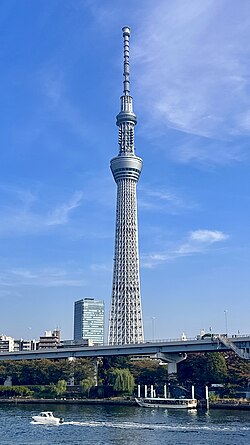
    As you prepare to continue your exploration, perhaps toward the five-story pagoda which stands at about 53 meters tall as the second highest in Japan, take a moment to reflect on the resilience of this site. Each tier of that pagoda represents one of the five elements of the universe: earth, water, fire, wind, and the spiritual void. If your schedule allows, I highly recommend returning after sunset. The temple grounds stay open, and a stunning night illumination bathers the vermilion structures in a soft glow, revealing a peaceful side of Senso-ji that many daytime visitors miss. You might even spot the Tokyo Skytree glowing in the distance, a perfect symbol of how Tokyo honors its deep past while reaching for the future. There is always another hidden corner to discover here, from the quiet gardens of the nearby Asakusa Shrine to the sound of the temple bell that still rings at 6 a.m. Where will your curiosity lead you next?

About this guide

AI-generated from 9 sources; reviewed for accuracy and last updated on October 30, 2026. Verify tickets and opening hours on the official site. Independent guide by Mappu. Not affiliated with or endorsed by the site or its managers.

Run a travel site or blog? Embed this audio guide for free.

Walk on from here

This place is stop 1 of 3 of a self-guided walk: Senso-ji to Tokyo Skytree, Tokyo. About 1.9 km and 25 minutes on foot, plus about 18 minutes of listening.

Route map: walking on from Senso-ji3 numbered stops in walking order. Stop 1: Senso-ji; Stop 2: Asakusa Shrine; Stop 3: Tokyo Skytree.Stop 1: Senso-ji1Stop 2: Asakusa Shrine2Stop 3: Tokyo Skytree3
Distances are estimates along the walking route, from OpenStreetMap.

Indicative route. While you walk, watch where you're going, mind the traffic and follow local signs and rules. The map is an aid, not a safety guide. Terms

  1. Senso-jiThis guide

    about 0.2 km · about 2 min on foot

  2. Asakusa Shrine

    about 1.7 km · about 23 min on foot

  3. Tokyo Skytree
Photo attribution

Walk Mode, in the free Mappu app: 2 hours for 50 credits (€4.99 Starter pack)

See the whole walk

Planning a trip to Tokyo?

Get your plan

Mappu sketches your days free in the chat, no account needed. Then take the full plan with you:

  • Weekend trip, €9.99: Your day-by-day plan plus 2 live walks
  • Save your trip’s free guides on your phone in the Mappu app: they play with no signal
See the trip packs

Already going? The 2-hour live walk in Tokyo is €4.99

Plan your trip

Photo attribution
  • Tokyo 3-Day Itinerary: Alex
  • Japan First Trip 10-Day Itinerary: Stefan K

Useful for your visit

Tickets, tours and practical extras for this trip, from Mappu's partners.

Partner links (Airalo, Amazon, Booking.com, GetYourGuide, Klook, Tiqets, Trip.com, Viator, Welcome Pickups): if you book or buy through them, Mappu may earn a commission, at no extra cost to you.

Plan your trip on a map and get an audio guide for almost any place nearby: just tap it on the Mappu map.

Common questions

Senso-ji: how long is the free audio guide?

About 7 minutes of listening in 5 sections: “Welcome to Senso-ji”, “The Thunder Gate and the Giant Lantern”, “Shopping for Blessings on Nakamise-dori”, “The Hidden Miracle of the Main Hall”, and “A Legacy of Resilience”.

Senso-ji: what can I ask Mappu after the guide?

You can ask follow-up questions such as “Who were the two brothers who discovered the statue, and what happened after they found it?” and keep asking in Mappu, with the guide connected to your map and trip plan.