National Film Archive of Japan Audio Guide

Japan's only national institution devoted entirely to film

National Film Archive of Japan
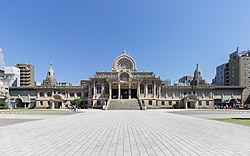
Photo by JmhoWikimedia CommonsCC0

6 min of listening · Section 1 of 5: Welcome to National Film Archive of Japan

Prefer reading? The full guide is below

Here in person? Walk on with Mappu

This audio guide tells one place’s story. Walk Mode keeps going as you walk:

  • It knows where you are and talks about what’s in front of you, not only these chapters.
  • It takes you on to the next sight and follows what interests you.
  • Ask about anything you see, and it answers on the spot.
  • Your phone stays in your pocket.

A 2-hour live walk with Mappu, €4.99.

50 credits from the Starter pack. One-time purchase, no subscription.

Self-guided audio walk. No guide accompanies you. Not affiliated with the sites.

Keep exploring

Discover more places in Mappu.

National Film Archive of Japan • Section 1 of 5

National Film Archive of Japan: is there a free audio guide?

Quick answer. Yes. Mappu’s National Film Archive of Japan audio guide (Tokyo, Japan) is free in your browser: 5 sections and about 6 minutes of listening, in 8 languages. It covers “From a Museum Film Library to a National Institution”, “Treasures of the Collection” and “Theaters, Gallery and Library: Films You Can Meet”. In the Mappu app, Walk Mode narrates the places around you as you move and answers your follow-up questions.

National Film Archive of Japan map

Mappu's own map of the place, with the paths and entrances OpenStreetMap shows around it.

National Film Archive of Japan mapThe place on the map, with the guide's point marked.

National Film Archive of Japan: what does the audio guide cover?

  1. 01

    Welcome to National Film Archive of Japan

    Welcome to the National Film Archive of Japan, known in Japanese as Kokuritsu Eiga Akaibu. You are in Kyobashi, in Tokyo's Chuo ward, a short hop from both Tokyo Station and the Ginza district. This guide follows the story of the institution and its collections: what it keeps, how it began, and what you can experience when you step inside. Here is the headline. This is Japan's only national institution devoted entirely to film. It collects, preserves, restores and studies films, along with posters, scripts and books about cinema, and then it opens them up to the public through screenings, exhibitions and a library. So think of the place as part vault, part laboratory and part neighborhood cinema. Over the next few minutes, we will look at the archive's origins, some of the most precious films in its care, and the unusual ways it brings very old movies back to life in front of an audience.

  2. 02

    From a Museum Film Library to a National Institution

    Every national institution has an origin story, and this one starts small. In 1952, the archive was founded as the film library of the National Museum of Modern Art, Tokyo. For decades, Japan's film heritage was looked after as a department inside an art museum, a quiet recognition that moving images belong alongside paintings and sculpture. Then came a big change. In 2018, the film library became independent from the museum and took the name National Film Archive of Japan. It now stands as the sixth national museum of art within the Independent Administrative Institution National Museum of Art, which means film sits on equal footing with the other national art museums. That independence matters because film is a demanding thing to keep. Reels need specialist storage, restoration and research, and the archive's mission covers all of it: collecting, preserving and restoring films from Japan and abroad, including digital works, and studying them academically. It is a long road from a museum library to a full national institution, and you are standing at its latest chapter.

  3. 03

    Treasures of the Collection

    Now let us talk about what the archive actually holds. As of 2017, the collection included around 80,000 films, alongside a great many posters, scripts and books about cinema. Most of the films are Japanese, though the collection also includes works from abroad. Among them is Momijigari, which means Maple Viewing, the oldest surviving Japanese film. It was shot in 1899, and the government has designated it an Important Cultural Property of Japan. Imagine that: a film made at the very dawn of cinema, still in the hands of caretakers more than a century later. Another designated treasure is Shigeki: Nanko ketsubetsu, or The Farewell Scenes of Kusunoki Masashige and His Son. The archive keeps the 35 millimeter nitrate original negative of this film, which is also a National Important Cultural Property. Nitrate film is famously fragile material, so seeing the archive show a positive image made from that negative gives you a sense of the care involved. There is also a lighter gem: The Dull Sword, an animated film released in 1917, which has appeared in the archive's exhibitions among some of Japan's oldest films.

  4. 04

    Theaters, Gallery and Library: Films You Can Meet

    A film archive could easily be a locked vault, but this one is built to be visited. The Kyobashi main building has two theaters, an exhibition room and a library. That means you can watch a film, see the objects around it, and then dig into books about cinema, all in one place. The programming can be wonderfully inventive. In the summer of 2025, a Kids' Cinema event screened Japanese silent films for young audiences, with live music and a benshi. A benshi is a live narrator who tells the story aloud as the silent picture plays, a distinctly Japanese performance tradition. Among the titles shown were The Dull Sword in its longest version and Onsen Hiwa: Misasa Kouta, with narration by Naohyo Oda and live music by Mari Sakamoto. It is a lovely reminder of what an archive is for. These reels were never meant to sit in the dark. When a century-old film meets a live voice and a live musician, it stops being a relic and becomes an evening out.

  5. 05

    Before You Head Off

    Before you move on, notice how well placed this archive is. Kyobashi sits close to Tokyo Station and the Ginza district, so a film program here pairs easily with a walk, a meal or some shopping nearby. You could arrive by taking the train to Tokyo Station and continuing on foot or by the Marunouchi subway line to Ginza. What will you look for next? Perhaps the current program of screenings, or an exhibition in the gallery that puts old film materials side by side with posters and scripts. You might even catch a silent film accompanied by live narration and music. And as you leave, here is something to carry with you. Somewhere in this institution's care are films from 1899, 1917 and beyond, still waiting for audiences. Which era of Japanese cinema will you want to meet first?

About this guide

AI-generated from 6 sources; reviewed for accuracy and last updated on October 31, 2026. Verify tickets and opening hours on the official site. Independent guide by Mappu. Not affiliated with or endorsed by the site or its managers.

Run a travel site or blog? Embed this audio guide for free.

Walk on from here

This place is stop 3 of 4 of a self-guided walk: Imperial Palace to Tsukiji Hongwanji, Tokyo. About 4.6 km and 60 minutes on foot, plus about 26 minutes of listening.

Route map: walking on from National Film Archive of Japan4 numbered stops in walking order. Stop 1: Tokyo Imperial Palace and the Iconic Nijubashi; Stop 2: Hibiya Park; Stop 3: National Film Archive of Japan; Stop 4: Tsukiji Hongwanji.Stop 1: Tokyo Imperial Palace and the Iconic Nijubashi1Stop 2: Hibiya Park2Stop 3: National Film Archive of Japan3Stop 4: Tsukiji Hongwanji4
Distances are estimates along the walking route, from OpenStreetMap.

Indicative route. While you walk, watch where you're going, mind the traffic and follow local signs and rules. The map is an aid, not a safety guide. Terms

  1. Tokyo Imperial Palace and the Iconic Nijubashi

    about 1.3 km · about 17 min on foot

  2. Hibiya Park

    about 1.9 km · about 26 min on foot

  3. National Film Archive of JapanThis guide

    about 1.4 km · about 19 min on foot

  4. Tsukiji Hongwanji
Photo attribution

Walk Mode, in the free Mappu app: 2 hours for 50 credits (€4.99 Starter pack)

See the whole walk

Planning a trip to Tokyo?

Get your plan

Mappu sketches your days free in the chat, no account needed. Then take the full plan with you:

  • Weekend trip, €9.99: Your day-by-day plan plus 2 live walks
  • Save your trip’s free guides on your phone in the Mappu app: they play with no signal
See the trip packs

Already going? The 2-hour live walk in Tokyo is €4.99

Plan your trip

Photo attribution
  • Tokyo 3-Day Itinerary: Alex
  • Japan First Trip 10-Day Itinerary: Stefan K

Plan your trip on a map and get an audio guide for almost any place nearby: just tap it on the Mappu map.

Common questions

National Film Archive of Japan: how long is the free audio guide?

About 6 minutes of listening in 5 sections: “Welcome to National Film Archive of Japan”, “From a Museum Film Library to a National Institution”, “Treasures of the Collection”, “Theaters, Gallery and Library: Films You Can Meet”, and “Before You Head Off”.

National Film Archive of Japan: what can I ask Mappu after the guide?

You can ask follow-up questions such as “How did the archive change when it became independent from the National Museum of Modern Art, Tokyo, in 2018?” and keep asking in Mappu, with the guide connected to your map and trip plan.