Hiroshima Gokoku Shrine Audio Guide

A shrine of remembrance, rebuilt within the grounds of Hiroshima Castle

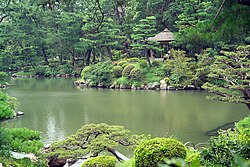
Hiroshima Gokoku Shrine
Photo by Madhav SharmaWikimedia CommonsCC BY-SA 4.0

6 min of listening · Section 1 of 5: Welcome to Hiroshima Gokoku Shrine

Prefer reading? The full guide is below

Here in person? Walk on with Mappu

This audio guide tells one place’s story. Walk Mode keeps going as you walk:

  • It knows where you are and talks about what’s in front of you, not only these chapters.
  • It takes you on to the next sight and follows what interests you.
  • Ask about anything you see, and it answers on the spot.
  • Your phone stays in your pocket.

A 2-hour live walk with Mappu, €4.99.

50 credits from the Starter pack. One-time purchase, no subscription.

Self-guided audio walk. No guide accompanies you. Not affiliated with the sites.

Keep exploring

Discover more places in Mappu.

Hiroshima Gokoku Shrine • Section 1 of 5

Hiroshima Gokoku Shrine: is there a free audio guide?

Quick answer. Yes. Mappu’s Hiroshima Gokoku Shrine audio guide (Hiroshima, Japan) is free in your browser: 5 sections and about 6 minutes of listening, in 8 languages. It covers “From Futaba to the Castle Grounds”, “Rebuilt Halls and a Stone Approach” and “New Year Crowds and the Lucky Carp”. In the Mappu app, Walk Mode narrates the places around you as you move and answers your follow-up questions.

Hiroshima Gokoku Shrine map

Mappu's own map of the place, with the paths and entrances OpenStreetMap shows around it.

Hiroshima Gokoku Shrine mapThe place on the map, with the guide's point marked.

Hiroshima Gokoku Shrine: what does the audio guide cover?

  1. 01

    Welcome to Hiroshima Gokoku Shrine

    Welcome to Hiroshima Gokoku Shrine, one of the largest and best-loved Shinto shrines in the city. You will find it inside the grounds of Hiroshima Castle, where the old castle compound has become a public park that is free to wander. Most visitors pass the shrine on their way to the castle keep, but it deserves a pause of its own. The name carries the idea. Gokoku shrines are Shinto shrines dedicated to people who died in war. Hiroshima's honors soldiers from the former Aki province, which is now the western part of Hiroshima Prefecture. Over the next few minutes we will follow the shrine through a long journey: its founding, a move across the city, its destruction in 1945, and the rebuilding that brought it back to where it stands today. It is also a living place. Families come here for New Year visits, parents bring children in festive clothes, and the city's baseball team arrives to ask for a good season. Let's walk in.

  2. 02

    From Futaba to the Castle Grounds

    This shrine has moved more than once, and its story begins in the first years of the Meiji era. It was founded in 1868, or in 1869 depending on the account, in the Futaba area of Hiroshima. Its purpose was to mourn the men of the Hiroshima domain who died in the Boshin War, the civil conflict that accompanied the end of the Tokugawa shogunate and the birth of modern Japan. In 1934 the shrine was dismantled and moved to a site beside the old Hiroshima municipal baseball stadium. In 1939 it took the name Hiroshima Gokoku Shrine, the name it carries today. That was the form of the shrine that stood in the city in 1945. Then came the atomic bomb. The shrine was destroyed. In 1956 it was rebuilt on its present site, on the former castle grounds, with the help of donations from the citizens of Hiroshima. Ordinary people paid to bring it back, and that fact says a good deal about what the shrine means to the city.

  3. 03

    Rebuilt Halls and a Stone Approach

    What you see today is a shrine renewed in layers. The main hall and the worship hall were rebuilt in the 1990s, in a project linked to the commemoration of the Emperor's enthronement. The grand stone slab approach that leads you toward the shrine was added in that same period of rebuilding. The work did not stop there. In June 2009, the remaining facilities were renovated as part of a project marking the 130th anniversary of the shrine's founding. So the shrine you walk through is the product of several chapters of care, each one adding to the last. A practical note for your visit: the approach is flat and paved, which makes it comfortable for strollers and wheelchairs, unlike many shrines built on hillsides. Because the shrine sits in a park setting, you can easily pair it with the castle and the grounds around it. The shrine's own website offers visitor information in English, and it is the place to check ritual times, which can change from year to year.

  4. 04

    New Year Crowds and the Lucky Carp

    Come at the right moment and this quiet park becomes one of the busiest places in western Japan. Hatsumode, the first shrine visit of the new year, draws enormous crowds here. Counts run to more than half a million people over the first days of January, which makes this one of the most popular shrines in the Chugoku region. The shrine is also a favorite place for Shichi-Go-San, the celebration for children of particular ages, and it hosts festivals throughout the year. Then there is the carp. The moat of Hiroshima Castle is filled with carp, and Hiroshima's baseball team is the Hiroshima Toyo Carp. Players come to Gokoku Shrine at the start of each baseball season to pray for a good year. The shrine is well known for its lucky carp, so the fish in the water and the team on the field share a symbol. It is a wonderful example of how a place of remembrance can sit comfortably within everyday city life, with its prayers, its festivals and even its sporting hopes.

  5. 05

    Before You Head Off

    As you leave, take a moment to think about how much this one site holds. It began as a memorial for the fallen of the Boshin War, it moved across the city, it was destroyed in 1945, and it was brought back by the donations of Hiroshima's own people. The shrine sits within the former castle compound, so consider letting the surroundings tell the next part of the story. Look at the park and the castle grounds with the same eyes, and think about how many layers of the city's history rest in this one corner. Notice the moat too, and see whether you can spot the carp that give the baseball team its name. There is plenty more to discover nearby, and the castle keep is the natural next step on your walk.

About this guide

AI-generated from 6 sources; checked automatically and last updated on October 31, 2026. Verify tickets and opening hours on the official site. Independent guide by Mappu. Not affiliated with or endorsed by the site or its managers.

Run a travel site or blog? Embed this audio guide for free.

Walk on from here

This place is stop 1 of 3 of a self-guided walk: Gokoku Shrine to the Peace Cathedral, Hiroshima. About 1.7 km and 25 minutes on foot, plus about 18 minutes of listening.

Route map: walking on from Hiroshima Gokoku Shrine3 numbered stops in walking order. Stop 1: Hiroshima Gokoku Shrine; Stop 2: Shukkei Garden; Stop 3: Noboricho Catholic Church.Stop 1: Hiroshima Gokoku Shrine1Stop 2: Shukkei Garden2Stop 3: Noboricho Catholic Church3
Distances are estimates along the walking route, from OpenStreetMap.

Indicative route. While you walk, watch where you're going, mind the traffic and follow local signs and rules. The map is an aid, not a safety guide. Terms

Walk Mode, in the free Mappu app: 2 hours for 50 credits (€4.99 Starter pack)

See the whole walk

Planning a trip to Hiroshima?

Get your plan

Mappu sketches your days free in the chat, no account needed. Then take the full plan with you:

  • Weekend trip, €9.99: Your day-by-day plan plus 2 live walks
  • Save your trip’s free guides on your phone in the Mappu app: they play with no signal
See the trip packs

Already going? The 2-hour live walk in Hiroshima is €4.99

Plan your trip on a map and get an audio guide for almost any place nearby: just tap it on the Mappu map.

Common questions

Hiroshima Gokoku Shrine: how long is the free audio guide?

About 6 minutes of listening in 5 sections: “Welcome to Hiroshima Gokoku Shrine”, “From Futaba to the Castle Grounds”, “Rebuilt Halls and a Stone Approach”, “New Year Crowds and the Lucky Carp”, and “Before You Head Off”.

Hiroshima Gokoku Shrine: what can I ask Mappu after the guide?

You can ask follow-up questions such as “What does it mean that a Gokoku shrine is dedicated to people who died in war, and who does Hiroshima's honor?” and keep asking in Mappu, with the guide connected to your map and trip plan.