Mosque-Cathedral of Cordoba Audio Guide

A Journey Through Centuries of Faith and Architecture

The Mosque-Cathedral of Cordoba
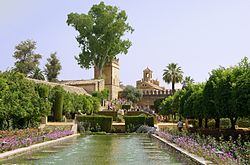
Photo by Alexandra Tran on Unsplash

7 min of listening · Section 1 of 5: Welcome to a World Heritage Wonder

Prefer reading? The full guide is below

Walk on from here

Alcázar, Mezquita and Malmuerta, Córdoba, live with Mappu: the stories of what’s in front of you, stop by stop. 50 credits (€4.99).

The Mosque-Cathedral of Cordoba • Section 1 of 5

The Mosque-Cathedral of Cordoba: is there a free audio guide?

Quick answer. Yes. Mappu’s Mosque-Cathedral of Cordoba audio guide (Cordoba, Spain) is free in your browser: 5 sections and about 7 minutes of listening, in 8 languages. It covers “The Hypostyle Hall: A Forest of Columns”, “The Mihrab: A Golden Gateway” and “The Cathedral: An Unprecedented Fusion”. In the Mappu app, Walk Mode narrates the places around you as you move and answers your follow-up questions.

Mosque-Cathedral of Cordoba map

Mappu's own map of the place, with the paths and entrances OpenStreetMap shows around it.

Mosque-Cathedral of Cordoba mapThe place on the map, with the guide's point marked.

The Mosque-Cathedral of Cordoba: what does the audio guide cover?

  1. 01

    Welcome to a World Heritage Wonder

    Welcome to the Mosque-Cathedral of Cordoba, located at Calle Cardenal Herrero, number one. As you stand here, perhaps near the fragrant orange trees of the courtyard, you are looking at one of the most significant monuments in the Western world. This site was designated a World Heritage Site by the United Nations Educational, Scientific and Cultural Organization in 1984. It is officially known as the Cathedral of Our Lady of the Assumption, but many call it the Mezquita, which is the Spanish word for mosque. This space has witnessed over 1,200 years of history, evolving from a Visigothic church into one of the largest mosques in the world, before becoming the city's Catholic cathedral in the year 1236. As you enter, prepare yourself for a transition through time where the boundaries between different faiths and artistic styles beautifully blur into one extraordinary structure.

  2. 02

    The Hypostyle Hall: A Forest of Columns

    Step inside and you will immediately find yourself in the legendary Forest of Columns. This vast prayer hall originally featured 11 aisles but was expanded over centuries by various rulers like Abd al-Rahman the Second and Al-Mansur. Look closely at the more than 850 columns supporting the ceiling; you might notice they are not identical. That is because many are actually repurposed materials, or spolia, from earlier Roman and Visigothic buildings, made of jasper, onyx, marble, and granite. Above them, the iconic double-tiered arches—with their striking red brick and white stone patterns—were a structural masterstroke designed to add height and light to the massive space. This design choice created a sense of infinite rhythm and depth that was completely unprecedented in eighth-century architecture. Notice how the light filters through, creating a peaceful and hypnotic atmosphere that still captivates millions of modern visitors today.

  3. 03

    The Mihrab: A Golden Gateway

    Move toward the southern end to find the spiritual heart of the original mosque, the Mihrab. This prayer niche, added by Caliph Al-Hakam the Second in the tenth century, is far more elaborate than a simple wall indentation. It is an octagonal room crowned by a single block of white marble carved into a delicate scallop shell. If you look at the brilliant gold and emerald mosaics surrounding the arch, you are seeing a direct gift from Constantinople. The Byzantine Emperor Nicephorus the Second sent his most skilled craftsmen and hundreds of kilograms of gold tiles to create these patterns of geometric foliage and Quranic inscriptions. Curiously, while most mihrabs in the world points toward Mecca to the southeast, this one faces almost due south, likely following the grid of the city's old Roman thoroughfares. Even centuries later, the acoustics here are so precise that the leader of the prayer could be heard throughout the hall without any modern amplification.

  4. 04

    The Cathedral: An Unprecedented Fusion

    In the sixteenth century, a massive transformation took place when a Renaissance and Gothic cathedral was built directly into the center of the mosque. This project was approved by King Charles the Fifth, despite strong opposition from Cordoba’s city council, who wanted to preserve the original structure. As you walk from the dim, low-ceilinged aisles of the mosque into the soaring, light-filled heights of the cathedral choir and main altar, the contrast is startling. You will see intricate Baroque wood carvings in the mahogany choir stalls and shimmering stained glass that feels a world away from the Islamic tilework. Legend says that when King Charles eventually visited the completed site in 1526, he was shocked by the loss of the original's purity, famously remarking that they had built what could be found anywhere, but had destroyed something unique in the world. Yet today, this intentional collision of architectural styles is exactly what makes the building a global symbol of coexistence.

  5. 05

    Layers of the Living Past

    Your exploration of this layered sanctuary is far from over. If you look toward the sky near the main entrance, you will see the Bell Tower which currently reaches 54 meters high. It was once the mosque's minaret, but it was encased in a stone tower after the Reconquista to hold the cathedral's bells. For a practical tip, ensure you wear clothing that covers your shoulders and knees, as this remains an active place of Catholic worship. If you require accessibility support, the Door of Deans on Calle Torrijos is equipped with a ramp for wheelchairs. As you continue through the side chapels or head back out into the winding streets of the Jewish Quarter, keep an eye out for small floor markings or excavated pits that show the remains of the ancient Saint Vincent Basilica beneath your feet. There are so many subtle details here—from Mudejar ceilings to hidden tombs—that one visit only begins to reveal the secrets held within these stone walls.

About this guide

AI-generated from 13 sources; checked automatically and last updated on May 27, 2026. Verify tickets and opening hours on the official site. Independent guide by Mappu. Not affiliated with or endorsed by the site or its managers.

Run a travel site or blog? Embed this audio guide for free.

Walk on from here

This place is stop 2 of 3 of a self-guided walk: Alcázar, Mezquita and Malmuerta, Córdoba. About 2.4 km and 30 minutes on foot, plus about 20 minutes of listening.

Route map: walking on from The Mosque-Cathedral of Cordoba3 numbered stops in walking order. Stop 1: Alcazar of Cordoba; Stop 2: The Mosque-Cathedral of Cordoba; Stop 3: Torre de la Malmuerta.Stop 1: Alcazar of Cordoba1Stop 2: The Mosque-Cathedral of Cordoba2Stop 3: Torre de la Malmuerta3
Distances are estimates along the walking route, from OpenStreetMap.

Indicative route. While you walk, watch where you're going, mind the traffic and follow local signs and rules. The map is an aid, not a safety guide. Terms

  1. Alcazar of Cordoba

    about 0.8 km · about 10 min on foot

  2. The Mosque-Cathedral of CordobaThis guide

    about 1.6 km · about 22 min on foot

  3. Torre de la Malmuerta
Photo attribution

Walk Mode, in the free Mappu app: 2 hours for 50 credits (€4.99 Starter pack)

See the whole walk

Planning a trip to Cordoba?

Get your plan

Mappu sketches your days free in the chat, no account needed. Then take the full plan with you:

  • Weekend trip, €9.99: Your day-by-day plan plus 2 live walks
  • Save your trip’s free guides on your phone in the Mappu app: they play with no signal
See the trip packs

Already going? The 2-hour live walk in Cordoba is €4.99

Plan your trip

Photo attribution

Useful for your visit

Tickets, tours and practical extras for this trip, from Mappu's partners.

Partner links (Airalo, Amazon, Booking.com, GetYourGuide, Klook, Tiqets, Trip.com, Viator, Welcome Pickups): if you book or buy through them, Mappu may earn a commission, at no extra cost to you.

Plan your trip on a map and get an audio guide for almost any place nearby: just tap it on the Mappu map.

Common questions

Mosque-Cathedral of Cordoba: how long is the free audio guide?

About 7 minutes of listening in 5 sections: “Welcome to a World Heritage Wonder”, “The Hypostyle Hall: A Forest of Columns”, “The Mihrab: A Golden Gateway”, “The Cathedral: An Unprecedented Fusion”, and “Layers of the Living Past”.

Mosque-Cathedral of Cordoba: what can I ask Mappu after the guide?

You can ask follow-up questions such as “Why do the columns in the forest differ in height and material?” and keep asking in Mappu, with the guide connected to your map and trip plan.