Ostuni Audio Guide

Discovering the Science, Secrets, and Ancient Origins of Italy's Most Radiant Hilltop Citadel

Ostuni
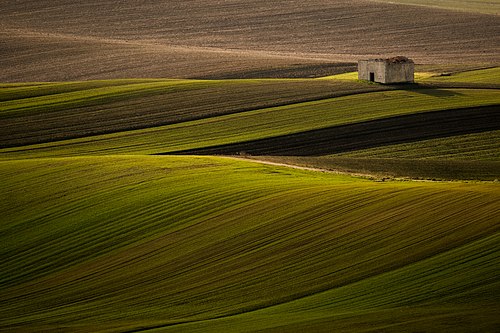
Photo by Henrique Ferreira on Unsplash

7 min of listening · Section 1 of 5: Welcome to the White Lady of the Hills

Prefer reading? The full guide is below

Here in person? Walk on with Mappu

This audio guide tells one place’s story. Walk Mode keeps going as you walk:

  • It knows where you are and talks about what’s in front of you, not only these chapters.
  • It takes you on to the next sight and follows what interests you.
  • Ask about anything you see, and it answers on the spot.
  • Your phone stays in your pocket.

A 2-hour live walk with Mappu, €4.99.

50 credits from the Starter pack. One-time purchase, no subscription.

Self-guided audio walk. No guide accompanies you. Not affiliated with the sites.

Keep exploring

Discover more places in Mappu.

Ostuni • Section 1 of 5

Ostuni: is there a free audio guide?

Quick answer. Yes. Mappu’s Ostuni audio guide (Puglia, Italy) is free in your browser: 5 sections and about 7 minutes of listening, in 8 languages. It covers “The Celestial Language of the Cathedral”, “The Science of Whiteness and the Plague” and “Meeting Delia: The Eternal Earth Mother”. In the Mappu app, Walk Mode narrates the places around you as you move and answers your follow-up questions.

Before you visit

Last verified October 11, 2026. Sources: viaggiareinpuglia.it

Ostuni map

Mappu's own map of the place, with the paths and entrances OpenStreetMap shows around it.

Ostuni mapThe place on the map, with the guide's point marked.

Ostuni: what does the audio guide cover?

  1. 01

    Welcome to the White Lady of the Hills

    Welcome to Ostuni, often called 'La Citta Bianca' or 'The White City.' As you stand here, look up at this brilliant cluster of buildings perched across three distinct hills, rising 200 meters above the surrounding plains. You are standing at a crossroads of civilizations; throughout the centuries, this strategic height has been held by the Messapians, Greeks, Romans, Normans, and Aragonese. Legend says the original name 'Astu Neon' meant 'New Town' in Greek, and today, that ancient spirit of reinvention still glows under the Mediterranean sun. This guide will take you beyond the beautiful white facades, revealing why this city reflects such a blinding light, the tragic events that led to its unique appearance, and a discovery that changed our understanding of prehistoric human life forever. Prepare yourself for a steady climb, as many of the best stories are hidden at the very peak of these winding, chalky alleys.

  2. 02

    The Celestial Language of the Cathedral

    Climb through the narrow streets to the highest point of the old town, known as 'La Terra,' and you will find the Cathedral of Santa Maria Assunta. This architectural masterpiece was largely rebuilt between the years 1,469 and 1495, creating a rare fusion of Gothic, Romanesque, and Venetian styles. Most visitors are immediately struck by its facade, which features a spectacular rose window—actually the second largest in Europe—boasting 24 intricate stone rays. These rays are not just decorative; they symbolize 'Christ the Sun' and were designed to align with solar movements at specific times of the year. Inside, look up at the ornate wooden ceiling, completed between 1686 and 1723, which hides five large canvases depicting the life of the Virgin Mary. A practical tip for visitors: because the cathedral is a functioning religious site and a national monument since 1902, please ensure your shoulders and knees are covered when entering.

  3. 03

    The Science of Whiteness and the Plague

    Have you ever wondered why Ostuni is so aggressively white? It is not just an aesthetic choice. During the seventeenth century, specifically in 1656, a devastating plague swept through Puglia. Local people realized that the standard practice of painting houses with lime, or 'calce' in Italian, seemed to slow the spread of the infection. While they initially thought it was a miracle, modern science knows it was the antibacterial properties of calcium carbonate in the limestone dust that acted as a primitive disinfectant. Additionally, the white surfaces reflected the intense southern heat, keeping the interiors cool and lighting up the narrow, labyrinthine streets that were otherwise dangerously dark. Today, the tradition is so vital to the city's identity that the local government actually pays for 50 percent of the costs to have residents repaint their homes every two years using the same ancient lime-wash techniques.

  4. 04

    Meeting Delia: The Eternal Earth Mother

    Ostuni holds a secret far older than its medieval walls. In 1991, archaeologist Professor Donato Coppola discovered a burial in the nearby cave of Santa Maria di Agnano that shocked the world. Inside was the skeleton of a twenty-year-old woman, nicknamed 'Delia,' who was in the eighth month of her pregnancy. Radiocarbon dating placing her at approximately 28,000 years old, making her the oldest remains of an expectant mother ever found. She was buried with great care, wearing a headdress of sea shells and bone bracelets, suggesting a high status in her Paleolithic community. You can see her remains today at the Museum of Preclassical Civilizations of the Southern Murgia, located in the former Monastery of San Vito. One accessibility note: the museum is situated on Via Cattedrale, easily reachable as you walk back down from the peak, though the ancient stone steps can be slippery when wet, so watch your footing.

  5. 05

    Echoes of the Adriatic and Hidden Whistles

    As you begin your descent toward the outer defensive walls, take a moment to look outward. From the ramparts, you can see 60 million olive trees stretching toward the coast of the Adriatic Sea, just 8 kilometers away. As you wander, listen for a light, chirping sound; you might be near an artisan shop selling 'fischietti.' These are colorful, hand-painted clay whistles, a local craft that dates back centuries, often depicting humorous characters or the patron Saint Oronzo, whose tall obelisk stands in the main Piazza della Liberta. There is no right or wrong way to wander these alleys; every dead end is a scenic viewpoint and every archway is a frame for the blue Italian sky. Keep your eyes out for the 'Porta Azzurra,' a famously photogenic blue door that perfectly captures the contrast of this city. Let your curiosity guide you through the next turn—you never know what ancient alleyway or hidden garden waits just around the corner.

About this guide

AI-generated from 7 sources; checked automatically and last updated on June 3, 2026. Verify tickets and opening hours on the official site. Independent guide by Mappu. Not affiliated with or endorsed by the site or its managers.

Run a travel site or blog? Embed this audio guide for free.

Planning a trip to Puglia?

Get your plan

Mappu sketches your days free in the chat, no account needed. Then take the full plan with you:

  • Weekend trip, €9.99: Your day-by-day plan plus 2 live walks
  • Save your trip’s free guides on your phone in the Mappu app: they play with no signal
See the trip packs

Already going? The 2-hour live walk in Puglia is €4.99

Useful for your visit

Tickets, tours and practical extras for this trip, from Mappu's partners.

Partner links (Airalo, Amazon, Booking.com, GetYourGuide, Klook, Tiqets, Trip.com, Viator, Welcome Pickups): if you book or buy through them, Mappu may earn a commission, at no extra cost to you.

More old towns and neighborhoods with a free audio guide

Photo attribution

Plan your trip on a map and get an audio guide for almost any place nearby: just tap it on the Mappu map.

Common questions

Ostuni: how long is the free audio guide?

About 7 minutes of listening in 5 sections: “Welcome to the White Lady of the Hills”, “The Celestial Language of the Cathedral”, “The Science of Whiteness and the Plague”, “Meeting Delia: The Eternal Earth Mother”, and “Echoes of the Adriatic and Hidden Whistles”.

Ostuni: what can I ask Mappu after the guide?

You can ask follow-up questions such as “What are the original origins of Ostuni before it became the 'White City'?” and keep asking in Mappu, with the guide connected to your map and trip plan.