Prenzlauer Berg Audio Guide

Berlin’s Bohemian Heart and Historical Tapestry

Prenzlauer Berg
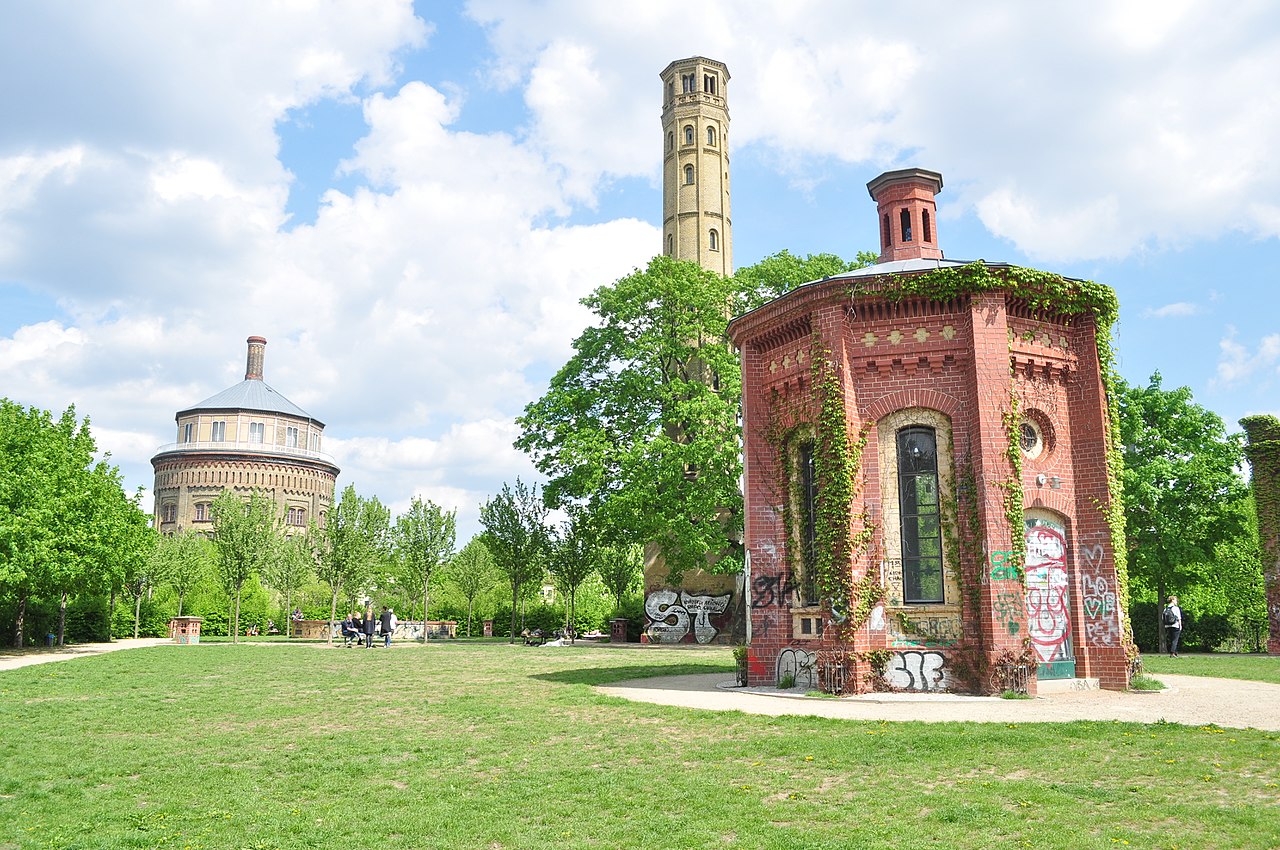
Photo by Joe MabelWikimedia CommonsCC BY-SA 4.0

7 min of listening · Section 1 of 5: Welcome to Prenzlauer Berg

Prefer reading? The full guide is below

Here in person? Walk on with Mappu

This audio guide tells one place’s story. Walk Mode keeps going as you walk:

  • It knows where you are and talks about what’s in front of you, not only these chapters.
  • It takes you on to the next sight and follows what interests you.
  • Ask about anything you see, and it answers on the spot.
  • Your phone stays in your pocket.

A 2-hour live walk with Mappu, €4.99.

50 credits from the Starter pack. One-time purchase, no subscription.

Self-guided audio walk. No guide accompanies you. Not affiliated with the sites.

Keep exploring

Discover more places in Mappu.

Prenzlauer Berg • Section 1 of 5

Prenzlauer Berg: is there a free audio guide?

Quick answer. Yes. Mappu’s Prenzlauer Berg audio guide (Berlin, Germany) is free in your browser: 5 sections and about 7 minutes of listening, in 8 languages. It covers “The Wasserturm: Water and a Shadowed Past”, “From Beer Brewery to Cultural Castle” and “The Hidden Grandeur of Rykestrasse”. In the Mappu app, Walk Mode narrates the places around you as you move and answers your follow-up questions.

Prenzlauer Berg map

Mappu's own map of the place, with the paths and entrances OpenStreetMap shows around it.

Prenzlauer Berg mapThe place on the map, with the guide's point marked.

Prenzlauer Berg: what does the audio guide cover?

  1. 01

    Welcome to Prenzlauer Berg

    Welcome to Prenzlauer Berg, a neighborhood that captures the very soul of Berlin’s transformation. As you stand here amidst the leafy streets and worn cobblestones, you are in the heart of what was once a strictly working-class district. Today, it is known as one of the most family-friendly and affluent parts of the city. The name itself comes from the nearby Prenzlauer Gate, which once marked the road leading toward the town of Prenzlau. This area is special because it survived the worst of the Allied bombing during World War Two, leaving us with the largest contiguous area of monumental nineteenth-century architecture in all of Germany. Look around at the ornate facades and five-story buildings. These are known as Mietskasernen, or rental barracks, originally designed to house the massive influx of workers during the industrial boom of the late 1800s. Today, they represent the bohemian lifestyle, but if these walls could talk, they would speak of revolution, resistance, and a radical change from the hard-edged life of the German Democratic Republic to the trendy, international hub you see today.

  2. 02

    The Wasserturm: Water and a Shadowed Past

    Dominating the skyline nearby is the iconic Wasserturm, or Water Tower, completed in 1877 by the English Waterworks Company. It is the oldest water tower in Berlin and remains a defining landmark for the entire district. While today the circular tower houses beautiful, high-demand apartments, its history took a dark turn in 1933. Shortly after the National Socialists seized power, the paramilitary branch known as the Sturmabteilung, or S A, used the engine houses and deep reservoirs on these grounds as one of their first wild concentration camps. Opponents of the regime were held and tortured here in what were essentially provisional prisons. If you walk to the grounds today, you will find a memorial wall that has commemorated these victims since 1981. It serves as a powerful reminder that underneath the serene park you see children playing in today lies a history of intense political conflict. For a practical tip, note that the park at the base of the tower is open 24 hours a day and offers some of the most peaceful benches in the neighborhood.

  3. 03

    From Beer Brewery to Cultural Castle

    Just a short stroll away is the Kulturbrauerei, a massive complex of 20 buildings and six interconnected courtyards. Designed in the 1880s by architect Franz Heinrich Schwechten, it was built to look like a medieval castle, but its purpose was industrial: it was the Schultheiss brewery. By 1921, it had merged with another brand to become the largest lager brewery in the entire world. It stayed operational through various regimes until 1967, after which it was abandoned and later protected as a historical monument in 1974. After the fall of the Berlin Wall, creative activists moved in, turning this industrial beer fortress into a thriving multicultural center. Today, you can visit the free museum on the grounds, which explores everyday life in the German Democratic Republic, or catch a film at the local cinema. If you are visiting with mobility needs, you will find a ground-level accessible entrance on Sredzkistrasse for many of the cultural venues here.

  4. 04

    The Hidden Grandeur of Rykestrasse

    Tucked away behind a modest street facade at Rykestrasse 53 is a hidden architectural treasure: the Rykestrasse Synagogue. Inaugurated in 1904 in time for the high holidays, it was built as a grand neo-Romanesque basilica that once seated 2,000 people. Remarkably, it is the largest synagogue in Germany. You might wonder how such a large structure survived the Nazi period. During the horrific events of Kristallnacht in 1938, when many synagogues were burned, the local fire department and even some authorities allegedly intervened because the building was so tightly nested between residential tenements that a fire would have destroyed the entire neighborhood. Today, after an extensive restoration in 2007, the interior glows with its original pre-war glory. It remains an active place of worship and a symbol of the enduring Jewish heritage in Berlin. If you want to see the interior, check the local schedules, as guided tours are often available but require a security check for all visitors.

  5. 05

    The Persistent Soul of Kollwitzplatz

    Our journey ends at Kollwitzplatz, the emotional heart of the neighborhood. Originally named Woerther Platz, it was renamed in 1947 to honor the artist Kathe Kollwitz, who lived and worked here at house number 25 until shortly before the end of her life in 1945. You can find a bronze monument of her sitting pensively in the center of the triangular square. In the 1980s, this square became a gathering point for dissidents and intellectuals who eventually helped bring down the Berlin Wall. For a true local experience, try to be here on a Saturday between 9 a.m. and 4 p.m. That is when the weekly organic market takes place, offering regional cheeses, smoked fish, and handmade crafts. As you linger here, you might notice the stark contrast between the heavy bronze of history and the light, energetic buzz of modern Berlin cafe culture. Let your curiosity lead you down the side streets—every corner in Prenzlauer Berg has a detail from a different decade waiting for you to notice it.

About this guide

AI-generated from 6 sources; checked automatically and last updated on June 3, 2026. Verify tickets and opening hours on the official site. Independent guide by Mappu. Not affiliated with or endorsed by the site or its managers.

Run a travel site or blog? Embed this audio guide for free.

Planning a trip to Berlin?

Get your plan

Mappu sketches your days free in the chat, no account needed. Then take the full plan with you:

  • Weekend trip, €9.99: Your day-by-day plan plus 2 live walks
  • Save your trip’s free guides on your phone in the Mappu app: they play with no signal
See the trip packs

Already going? The 2-hour live walk in Berlin is €4.99

More old towns and neighborhoods with a free audio guide

Photo attribution

Plan your trip on a map and get an audio guide for almost any place nearby: just tap it on the Mappu map.

Common questions

Prenzlauer Berg: how long is the free audio guide?

About 7 minutes of listening in 5 sections: “Welcome to Prenzlauer Berg”, “The Wasserturm: Water and a Shadowed Past”, “From Beer Brewery to Cultural Castle”, “The Hidden Grandeur of Rykestrasse”, and “The Persistent Soul of Kollwitzplatz”.

Prenzlauer Berg: what can I ask Mappu after the guide?

You can ask follow-up questions such as “How did the architecture of the rental barracks define life for workers in the late eighteen-hundreds?” and keep asking in Mappu, with the guide connected to your map and trip plan.
